
While reading through garden plant descriptions, you've probably noticed that most varieties grow best in well-drained soil, but what does this mean, exactly? And how can you tell if your soil is well-draining? You want soil that supplies air and water to plant roots in about equal proportions. If you have coarse, sandy soil, you may notice that water drains quickly through it, so your plants dry out and wilt sooner. But in heavy clay soil, you may have the opposite problem, where water takes a long time to drain, causing roots to rot from a lack of air. If your garden soil suffers from either extreme, improving its drainage will go a long way toward creating a healthy, flourishing garden.
Characteristics of Well-Drained Soil
The spaces between the solid particles of any soil are filled with oxygen and water, both of which are necessary for healthy plant growth. When it rains or irrigates your garden, these pore spaces fill with water. As the water moves downward through the soil, it's replaced by air. This movement is referred to as soil drainage, and how fast it happens is what's important.
How to Tell If You Have Well-Drained Soil
Determining how well your soil drains is pretty easy. Just dig a hole about 12-18 inches wide and 12-18 inches deep (it doesn't have to be exact). Next, fill the hole with water. After it drains completely, refill it with water and note how long it takes for the water level to drop. In soil with good drainage, the level should drop about an inch per hour. Slower or faster than that could lead to problems, but there are several ways you can improve your soil's drainage.
How to Create Well-Draining Soil
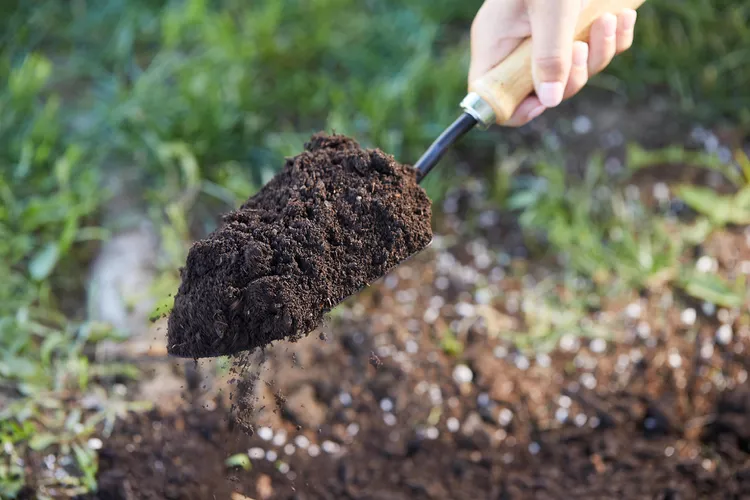
Digging organic matter (like compost or shredded leaves) into your existing soil is one of the best things you can do to improve soil drainage. This simple fix works for almost any soil that drains too fast or slowly. For an unplanted bed, spread 3-4 inches of your organic matter across the surface of the soil and work it into the top 8-12 inches (a garden tiller or pitchfork will do the job). For a bed that is already planted, add a couple of inches of compost to the soil surface each year, and over time, nature will do the mixing.
If you'd rather avoid lots of digging or want a quicker solution, raised beds are the answer. The beds should be 6-8 inches above the existing soil level. You can purchase or build raised beds from different materials and size them to suit your needs. Recipes abound for soil mixes for raised beds, but they're basically combinations of high-quality topsoil (40-60%) and compost or other well-decomposed organic matter.
Creating well-draining soil in pots is similar. You can either buy bagged potting mix or make your own blend. It's best not to use soil from your garden in containers, no matter how well-drained. It tends to be too heavy and can contain weed seeds and pets that could cause problems later.
Dealing with Drainage Differences
It's important to note that soil drainage may differ in various parts of your yard. This may be due to the removal of topsoil during construction, compaction with heavy equipment, or simply the lay of the land. If there's an area of the yard where the soil stays wet for long periods, the best solution may be to simply select plants that thrive in poorly drained, soggy soil. Similarly, if an area of your yard stays on the dry side, no matter how much it rains or how often you water, that's where you should place drought-tolerant plants.
If parts of your yard have very poor drainage, you may need to install a drain tile (a buried pipe to move water away from the problem area). This involves digging a trench about 18 inches deep, lining the bottom with gravel, and installing a perforated pipe that will carry excess water to an area beyond the garden. The pipe should be covered with gravel to keep soil from plugging it up before covering the pipe and trench with soil.
Note: This may be a project best done by a landscape professional.