
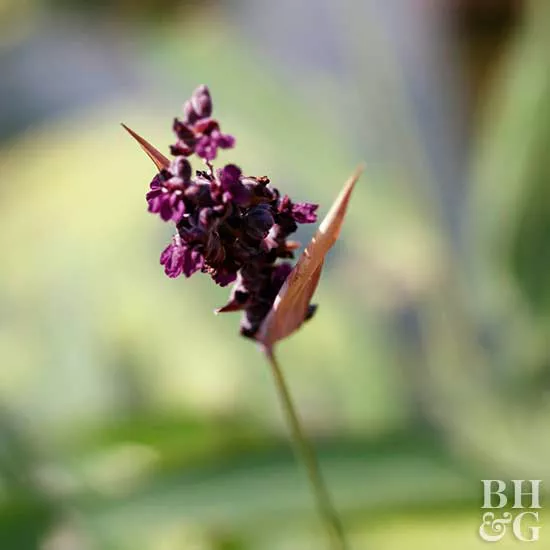
Thalia is a fast-growing water plant perfect for ponds and rain gardens. Also called hardy water canna, thalia (Thalia dealbata) blooms in late summer, sending tall flower stalks above large, paddle-shaped, blue-green leaves with a powdery surface. The violet-purple flowers last for weeks. Thalia is a great partner for other aquatic and floating plants, such as water lilies, which decorate the water surface while thalia stands tall.
Thalia Overview
| Genus Name | Thalia dealbata |
| Common Name | Thalia |
| Additional Common Names | Powdery Alligator-Flag, Water Canna, Powdery Thalia |
| Plant Type | Water Plant |
| Light | Part Sun, Sun |
| Height | 3 to 10 feet |
| Width | 3 to 6 feet |
| Flower Color | Purple |
| Foliage Color | Blue/Green |
| Season Features | Summer Bloom |
| Special Features | Low Maintenance |
| Zones | 10, 11, 6, 7, 8, 9 |
| Propagation | Division, Seed |
Where to Plant Thalia
Thalia grows best in wet soil or in shallow water, full sun, and organically rich loam soil. Grow these attractive plants outside year-round in USDA plant hardiness Zones 6–11.
How and When to Plant Thalia
Plant thalia rhizomes in rich organic soil in containers in spring or summer. As the shoots grow, maintain water at no more than 1–2 inches above the soil line until the plant is established. Then, sink the containers into a pond so the top of the pot is 12–18 inches below the water surface, or plant thalia directly in the wet soil at the edge of a water garden or in a rain garden. You can also sow seeds indoors in early spring after a period of cold stratification for later transplant outside.
Thalia Care Tips
Established thalia plants require little maintenance when their needs are met.
Light
Thalia thrives in full sun (at least six hours a day) but tolerates partial shade conditions.
Soil and Water
Thalia plants prefer damp or wet, organically rich loam or clay soil. Drainage is not a concern, as the plants are unbothered by frequent standing water.
Temperature and Humidity
Thalia is cold-hardy in USDA Zones 6-11. If the plant is growing in water, cut back the foliage for winter, leaving at least 6 inches of the shoots above the water level. If it is growing in wet soil pond-side, add a thick layer of mulch. In colder areas, move the plant to a greenhouse to protect it from the cold.
Fertilizer
Depending on where the thalia is located, it can be fertilized with a light application of a complete fertilizer in spring. However, it is critically important not to allow fertilizer into ponds or streams.
Pruning
Thalia is a herbaceous perennial. In fall, cut back the foliage to about 6 inches above the water line as winter approaches. Thalia will regrow when the soil and air temperatures warm in spring.
Potting and Repotting
Use a heavy-duty, wide, shallow container to sink thalia in a pond. If you don't have a pond and want to grow thalia in a container, put it in rich soil in a pot with a deep dish that you keep full of water at all times; this is one time you don't need a container with excellent drainage. If the fast-growing plant outgrows its container, repot it in a new container a couple of sizes larger or divide the plant into two (or more) containers.
Pests and Problems
Thalia is not seriously bothered by pests or diseases, although leaf-rollers can sometimes cause damage.
How to Propagate Thalia
Division: The easiest way to propagate thalia plants is by division. Dig up a clump in spring just after shoots emerge. Use a sharp spade to cut the clump into several sections, making sure each section contains rhizomes. Replant the sections immediately.
Seeds: If you have existing thalia plants, collect the seeds after the plant's fruit turns brown. Shake the clusters to release the seeds. They must undergo cold stratification, so place them in a moist medium in a plastic bag in the refrigerator for three months. Then, sow the seeds in a moist, not soggy, medium and place them in a location that reaches 75°F for optimal germination. When the seedlings are 12 inches tall, they can be transplanted.
Types of Thalia
Water Canna
Water canna (Thalia dealbata) is native to southern and central United States. This aquatic plant is often seen in wetlands, swamps, marshes, or near ponds in the wild.
Red Stem Thalia
Sometimes confused with Thalia dealbata, the similar red stem thalia (Thalia geniculata f. rheumoides) is slightly smaller than water canna but has larger leaves and red stems.
Thalia Companion Plants
Water lily
Water lilies are aquatic plants that cover a pond's surface, shading the water and keeping it cooler, which helps control algae that thrive in heat. Their leaves float on the water's surface, and when warm weather arrives, their showy blooms open each morning and close at night. There are both hardy and tropical varieties.
Papyrus
Papyrus is an easy-to-grow water plant with tall grassy sprays of leaves. You can plant papyrus in a weighted pot so the stems rise above the water surface in a pond or container or grow it in moist soil at the edge of the water. Papyrus is not winter-hardy in climates with freezing temperatures, but because it grows so fast, treating it as an annual and planting a new papyrus each spring produces a tall plant in a single season. Dwarf cultivars are available for small water features.
Lotus
Lotus plants are gorgeous aquatic perennials that are sometimes confused with water lilies. They go dormant in winter in areas where the water doesn't freeze. They are often planted in containers and lowered into water, but they can also survive at a pond's edge or in a container. The presence of water or very wet soil is required.