- Skill Level: Beginner
- Estimated Cost: $5-10
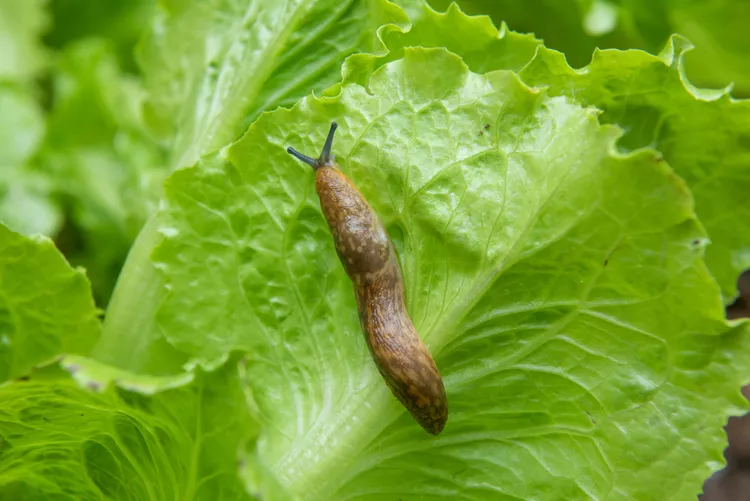
Setting out a slug beer trap may be in order if you're seeing slimy trails, holes in leaves, and ruined flowers in your garden. To confirm your slug problem, look for the creatures with a flashlight at night when they are most active. You can also search for slugs during daylight in cool, moist, shady places like under mulch or thick leaf cover in the garden. They may even appear during the day when it's cloudy and rainy. If you spot the pests, make a slug beer trap with this step-by-step guide and set it near where you saw the slugs.
How Slug Beer Traps Work
The yeasty, malty aroma of the beer is what attracts slugs, not the actual alcohol. How can slugs smell without a nose? Slugs have two pairs of feelers. The top or larger pair carry their eyes, while the smaller pair are home to scenting organs.
Slugs will smell the beer and crawl to the trap, over the edge, and in to feed on the beer. They may either drown or die of alcohol poisoning. However, a few slugs will stop in at your garden tavern for some beer and then escape to be on their way. The trap doesn’t get them all every time.
How to Make a Slug Beer Trap
While slug beer traps can be purchased online, you can easily make your own for next to nothing. The steps include placing the containers, baiting the traps with beer, and emptying them later. You can add an optional lid if you want–see ideas at the end.
What You'll Need
Materials
- Several small, clean containers such as old yogurt or cottage cheese containers that are at least 4 inches deep.
- A few cans of beer (think frat party, not fine dining, and go with the cheapest stuff).
Instructions
-
Place slug trap containers in the garden.
In each area where you have seen slugs, set a slug trap container into a hole in the soil just deep enough so that the edge of the trap is about half an inch taller than the surrounding ground. This will help other beneficial insects avoid accidentally wandering over the edge.
Some slugs will have a drink and escape, so you may wish to place the traps near, but not directly adjacent to, the plants suffering damage. There is no sense in luring slugs to places you don’t want them.
-
Bait the slug trap.
Add about 3 inches of beer to the container. Don’t fill the container all the way–it will take a lot of beer and make it easier for the slugs to escape.
If you happen to have some active dry yeast around, sprinkle a little into the beer. Slugs love the smell, and it will help draw them in.
-
Empty and re-bait trap.
A freshly baited slug beer trap will remain effective for 2-3 days. After that, the odor of the beer is gone, and so is the slug-attracting ability. Empty out the dead slugs and re-bait the traps with fresh beer.
If any traps aren’t catching slugs, try setting them in a new location near areas where the traps have been more successful. Like mouse traps, some spots are better than others.
Ideas for Slug Beer Trap Lids
A lid can help keep dogs or other creatures from finding the traps and drinking all the bait. A lid also keeps rainwater from diluting your beer. If you're using cleaned out food containers, their original lids work well. Or you can use boards or large rocks. Here are a few ideas:
- Cut a 1-inch-diameter hole or two in the original plastic lid, away from the edge. Smooth the edges so the slugs will not hesitate to enter–don’t leave them ragged from a hurried scissors job. Then attach the lid to container.
- Instead of making holes in the original plastic lid, you can prop it up with pieces of Popsicle sticks or sticks from the yard. Use hot glue to attach several 2-inch pieces of sticks upright around the edge of the container to hold up the lid. Glue the sticks so the bottoms are about an inch below the edge to provide better holding power. After the glue dries, set the plastic container lid on top and secure it with a rubber band so it won’t blow off.
- Use several small rocks to hold up a large “cover” rock or board above your slug beer trap like a roof on a tiki hut. The slugs can enter your slug tiki bar and fall into the trap. Use another larger rock to weigh down the board to prevent inquisitive animals from knocking it off.