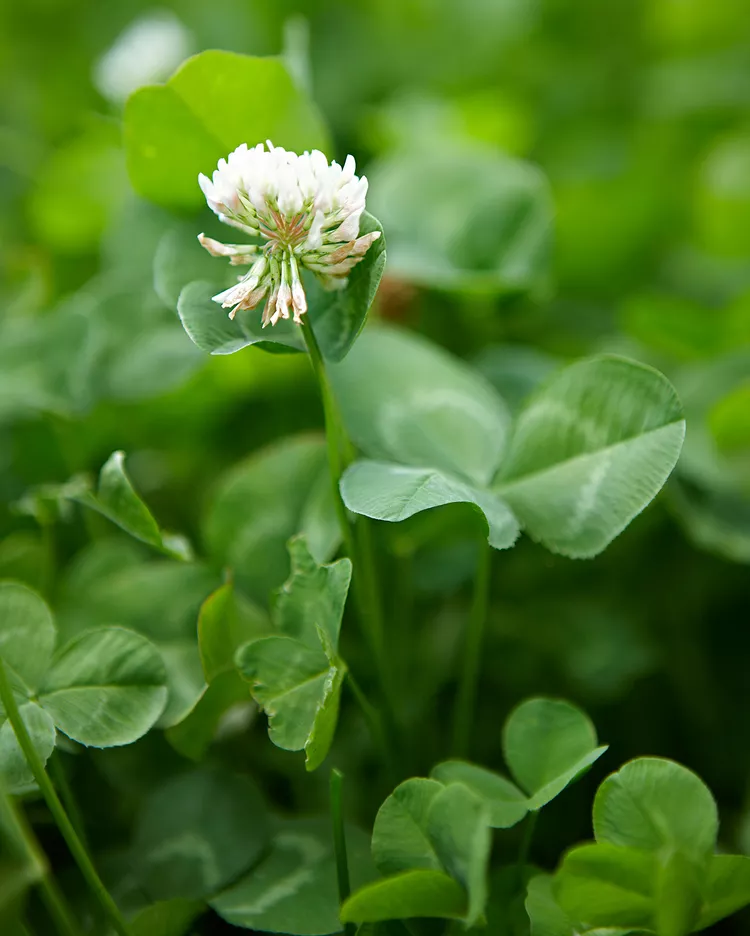
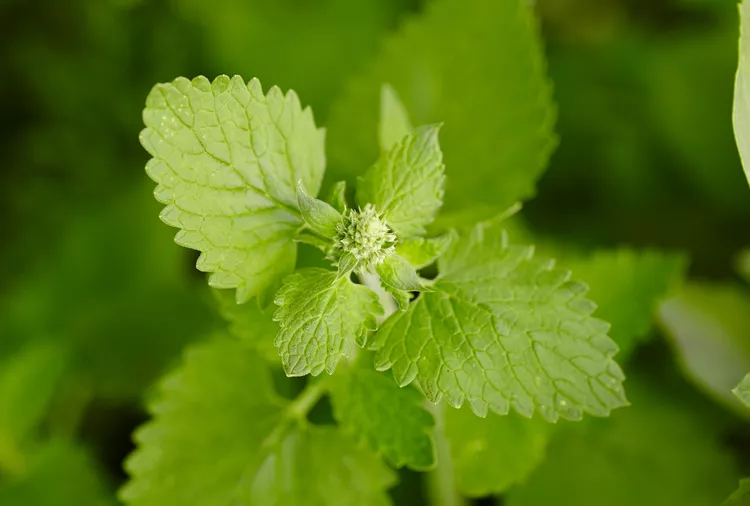
Learn how to grow catnip (Nepeta cataria), an easy-to-grow perennial herb that produces tiny white flowers. It grows outdoors or indoors but does best in warm climates with lots of sunlight. Gardeners usually grow it as a treat for cats that are attracted to its scent and like to roll in it. It retains its scent when air-dried and can be stuffed into cat toys or sachets.
Although most cats love catnip, the ASPCA reports that it can be toxic for some cats. Each cat reacts differently to catnip; some may be stimulated by it, and others may feel sedated. Some cats may not care for it at all.
Catnip Overview
| Genus Name | Nepeta cataria |
| Common Name | Catnip |
| Additional Common Names | Catswort |
| Plant Type | Herb |
| Light | Part Sun, Sun |
| Height | 1 to 3 feet |
| Width | 18 to 24 inches |
| Flower Color | Pink, Purple, White |
| Foliage Color | Blue/Green |
| Season Features | Reblooming, Summer Bloom |
| Special Features | Attracts Birds, Low Maintenance |
| Zones | 3, 4, 5, 6, 7, 8, 9 |
| Propagation | Seed, Stem Cuttings |
| Problem Solvers | Drought Tolerant |
Where to Plant Catnip
Catnip thrives in well-drained soil and needs plenty of sunlight. In hot climates, catnip does best with partial shade in the afternoon. You can plant catnip directly into the ground or in a raised bed, but make sure to provide some constraints on this plant. It is part of the mint family and can quickly take over your garden. Catnip grows in USDA zones 3 through 9.
Catnip grows quickly and can take over other areas of the garden. Grow it in a contained area or check on it frequently. Because it can spread quickly, it's considered an invasive plant in some regions of the United States. Check with your local extension office before planting to see if it's a problem plant in your area.
When and How to Grow Catnip
The ideal time to plant catnip is in the spring after the last frost in your region. Buy a starter plant at your local nursery or grow catnip from seed.
Set a nursery-grown plant in a prepared garden bed at the same level it grew in its container. Space multiple plants 18 to 24 inches apart, watering them lightly and regularly until they are established.
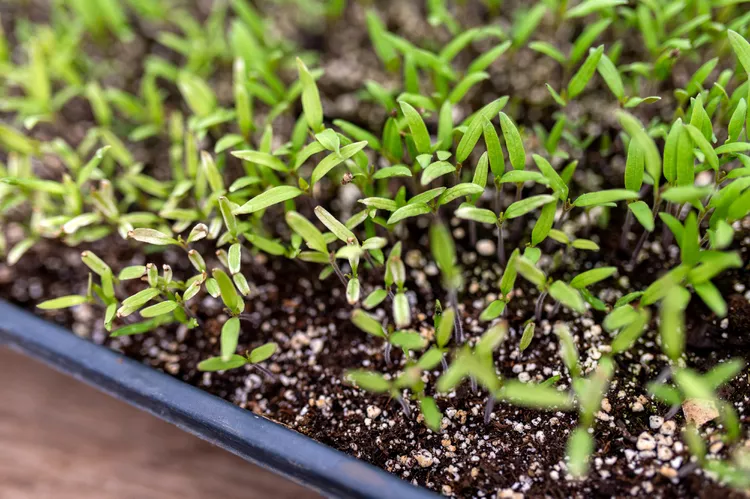
Sow seeds indoors approximately six weeks before the expected last frost date. Transplant the seedlings 18 to 24 inches apart in the garden so each plant has sufficient space to grow. You can also sow the seeds directly in a prepared garden bed when the weather starts to warm and cover them lightly with soil. A light frost won't damage them before they germinate, but a late frost might.
Catnip grown in containers indoors can be planted or sown at any time of year.
Catnip Care Tips
A hardy herb, catnip is easy to grow outdoors and indoors as long as their basic needs are met.
Light
Catnip needs lots of sunlight to grow—approximately six hours per day. It can have a difficult time in extreme heat; gardeners who live in a hot climate should plant catnip in an area that receives some shade in the afternoon. Indoor catnip plants grow best in a sunny window.
Soil and Water
Catnip grows well in a variety of soils, including dry and rocky soil. However, they thrive in loamy and sandy soil. Whatever you choose, make sure the soil has good drainage. These plants do well with little water. Only water the soil after it's dried out from the previous watering. Don't overwater or allow the plant to sit in soggy soil.
Temperature and Humidity
The preferred growing temperature for catnip plants is 55°F to 85°F. Catnip prefers a moderate climate—too hot or too humid, and it begins to suffer. If you live in a high-humidity area and want to grow catnip, good air circulation is important to reduce the chances of fungal growth.
Fertilizer
Fertilizer is not usually necessary for catnip. When you first plant it, add compost to the soil for a nutrient boost.
Pruning
Pruning is a good idea to keep catnip from spreading throughout the garden and hindering the growth of other plants. One way to prevent this plant from spreading is to cut back new growth that sprouts from underground runners. For bushier growth, cut back stems on young plants.
Potting and Repotting Catnip
Container-grown catnip grows best in an 8- to 10-inch container that provides excellent drainage. Terra-cotta pots are the best choice for growing catnip indoors. Also, some perlite should be added to high-quality potting soil to improve drainage, and only water when the soil surface is dry.
Position the plant in a sunny window. Give the pot a quarter turn each week so all sides are exposed to sunlight to encourage the best growth. It will grow tall and leggy if it doesn't get enough light. If that happens, pinch back the lanky stems. Repot the catnip annually using a fresh planting medium.
Pests and Problems
You usually don't have to worry about pests when growing catnip. However, it's worth checking the leaves for spider mites occasionally. Never let catnip sit in water, as this can lead to root rot and cause the plant to die.
Cats that rub themselves on young catnip plants can damage the leaves and stems. Protect catnip plants with short bamboo sticks embedded in the ground near the plants.
How to Propagate Catnip
Catnip spreads easily—too easily, according to some gardeners. However, if you want to propagate it, use stem cuttings:
- Trim a 4- to 6-inch piece of a stem directly under a leaf node.
- Remove the leaves from the bottom half of the cutting.
- Put the cutting into a jar of water or place it in a pot filled with moist, soilless potting mix.
- Replace the water every day or ensure the potting mix is moist.
- When there is new leaf growth, the cutting has rooted and can be transplanted.
Types of Catnip
Several varieties of catnip are available. Classic catnip (Nepeta cataria) and its close cousins are similar plants that attract the attention of feline pets to varying degrees.
Classic Catnip
Nepeta cataria is the classic catnip that you'll find in every garden center. This variety has small white flowers and self-seeds prolifically, but it is not considered invasive in many areas. Classic catnip blooms attract bees and butterflies to a garden. This is the variety that most cats enjoy. In addition to its effects on cats, classic catnip repels mosquitoes. It grows 3 feet tall. Zones 3–9
Lemon-Scented Catnip
Lemon-scented catnip (Nepeta cataria 'Citriodora') has striking purple blooms and reflowers after the spent blooms are removed. The leaves have a lemon scent, giving this variety its name. It isn't as attractive to cats as classic catnip, but the attractive plant is an excellent addition to a mixed border. A single plant forms a clump that measures 2 feet by 2 feet. Zones 3–9
Camphor Catnip
Nepeta cataria 'Camphorata' is also known as camphor catnip. Its foliage has a camphor and thyme scent. Camphor catnip has white flowers with pink or purple dots. It grows only 18 inches tall, and most cats tend to ignore it. Zones 3-7