When you're just starting out with gardening, it can seem like there's so much to know, and you've got a thousand questions. How should you plant your veggies, and what is the best soil? When should you prune your hydrangeas and divide your hostas? Is everything getting enough sunlight and water? The good news is that nature is a terrific teacher. The more you garden, the more you'll learn about what works and what doesn't.
Our Best Gardening Tips
Use this list of essential gardening tips to find the answers to some of the most common questions beginners have. And don't forget to have fun while growing your own food and beautiful flowers in your yard!
Gardening Tips for Growing Conditions
Understand what matters when it comes to environment, weather, and which plants to pick for your garden.
- Know your USDA Hardiness Zone. Use it as a guide to avoid planting trees, shrubs, and perennials that won't survive winters in your area. You'll also get a better idea of when to expect your last frost date in spring, so you know when you can plant vegetables, fruits, and annuals outside in your area.
- Learn the length of your growing season (the time between your last frost in spring and first frost in fall) so you can start some plants indoors or avoid growing them.
- Pay close attention to how much light different plants need. Grow vegetables in a location that gets at least 8 hours of direct sunlight every day. Most vegetables need full sun to produce the best harvest. Try growing cool-season crops such as lettuce, spinach, radishes, and cabbage if you have some shade.
- Some plants flower in response to day length. Chrysanthemums, poinsettias, strawberries, and others need long nights to flower. If you want strawberries that flower and produce fruit when temperatures are between 35°F and 85°F, choose a variety labeled "day-neutral."
- Native species of plants are often better adapted to growing in your region than plants from other places in the world. They also are better for local pollinators that evolved with them. If you want to grow plants to support pollinators, avoid newer cultivars with double flowers because all the extra petals make it harder for insects to reach the nectar and pollen.
Gardening Tips for Pruning and Trimming
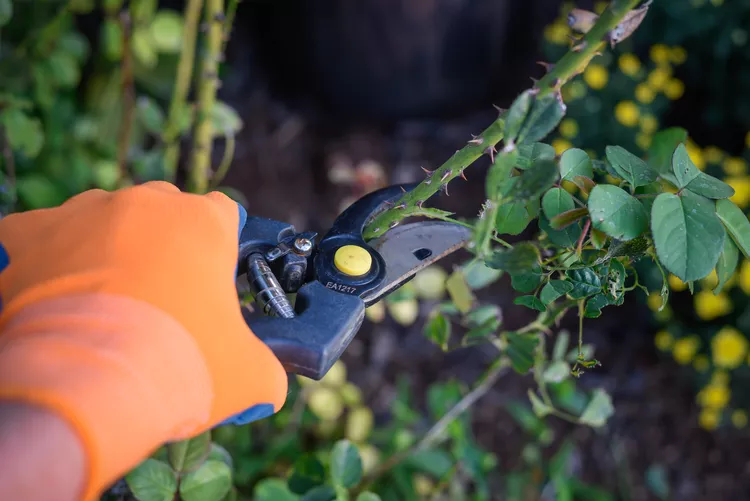
Once your plants are growing, you'll want to know how to keep them pruned and trimmed to encourage continued blooms and keep them looking beautiful.
- Not sure when to prune? Here's a helpful gardening tip: prune spring-flowering shrubs, such as lilacs, immediately after the blooms fade. They set their flower buds in autumn on last year's growth. If you prune them in fall or winter, you remove next spring's flower buds.
- Deadheading is a good practice for perennials and annuals. Because annual plants' goal is to flower, set seed, and die, removing old blooms tells annual plants to produce more flowers. Removing spent flowers also encourages plants to use their energy to grow stronger leaves and roots instead of for seed production. Avoid deadheading plants grown primarily for decorative fruits or pods, such as money plants (Lunaria).
- Deadhead spent flowers on spring-blooming bulbs such as daffodils and hyacinths, so the plants send energy to the bulbs instead of making seeds. Leave the foliage until it turns brown and can be removed with a gentle tug. The leaves store nutrients needed for the bulb to bloom the following year. Braiding or tying the leaves is not recommended because it reduces the amount of light that reaches the leaf surfaces.
Gardening Tips for Soil and Water
The soil content and amount of water plants need varies, so make sure your soil is the right kind with the best amendments and nutrients, and that you aren't overwatering or underwatering.
- Apply only composted, rotted manure that has cured for at least six months to your soil. Fresh manure is too high in nitrogen and can "burn" plants; it may also contain pathogens or parasites. Manure from pigs, dogs, and cats should never be used in gardens or compost piles because they may contain parasites that can infect humans.
- Fertilizer is not the answer to growing the best plants; soil quality is. Add organic amendments such as compost and well-aged manure to your soil. The best soil structure is crumbly, easy to dig, readily accepts water, and loose enough to provide oxygen for plant roots. If you use fertilizer, use an organic one to add nitrogen, phosphate, and potash (the form of potassium plants can use).
- Avoid digging or planting in wet soil; working it damages the soil structure. Wait until the soil is crumbly and no longer forms a ball when you squeeze some in your hand (it doesn't have to be bone-dry) to till or dig.
- Understand your soil's drainage. Roots need oxygen, and if your soil is consistently wet, there are no air pockets for the roots to thrive. Many plants prefer well-drained soil, so amend your soil with organic materials to improve the soil quality.
- Most in-ground garden plants grow best with 1 to 2 inches of water per week. If not enough rain falls, water deeply once a week instead of lightly each day. Frequent, shallow watering only moistens the top layer of soil and encourages the plant's roots to move there instead of growing deeper.
- Don't send your fall leaves away! Instead, chop them up and use them as compost ingredients. Pulverized leaves can be left to nourish the lawn. After several hard freezes, when plants have gone completely dormant, you also can use 3-6 inches of shredded leaves as mulch over tender perennials to keep them that way over winter. Remove the mulch in spring.
Gardening Tips for Planting and Transplanting
Planting new plants and transplanting established ones can make or break the success of their growth and how they thrive.
- Perennials generally need three years to achieve their mature size after you plant them. Remember the adage that they "sleep, creep, and leap" each year respectively.
- Hostas don't need to be divided unless you want to rejuvenate an old plant, increase the number you have, or prefer the look of single plants. The best times to divide your hostas are in the spring, as the new shoots appear and before the leaves unfurl, or in the fall, at least four weeks before your soil freezes solid.
- Plant spring-blooming bulbs, such as tulips, fritillarias, ornamental alliums, and crocuses, in the fall before the ground freezes. In general, place the bulb in a hole that's two to three times the depth of the bulb. You only need to plant most hardy bulbs once, and they'll keep coming up year after year, but hybrid tulips are an exception. It's best to pull them up when they are done blooming, replant new tulip bulbs each fall, or choose tulip species that become perennial.
- Late summer or early autumn is the best time to divide and transplant spring-blooming perennials. The most commonly divided perennials are irises, peonies, hostas, and daylilies.
- When transplanting container-grown perennials, dig a hole twice as wide as the soil ball of the plant to aid with root establishment. Make sure the plant sits at the same depth in the hole as it did in the container. Use the same soil you dug out of the hole to fill in around your new plant instead of bagged soil.
- The best approaches to controlling weeds in the garden are hand-weeding and hoeing. Avoid deep hoeing or cultivating, which can bring weed seeds to the soil's surface so they germinate. Weed early and often to prevent weeds from going to seed. Use mulch to smother and prevent annual weeds.
Gardening Tips for Fruits and Vegetables
Get the tastiest and prettiest fruits and veggies with our gardening tips.
- Vegetable gardening tip: The optimal temperature for ripening tomatoes is between 68-77°F. And at 85°F, it's too hot for the plants to produce lycopene and carotene, the pigments responsible for the fruit color. Once temperatures consistently drop below 50°F, green fruits won't ripen. Tomatoes with a bit of color change can be brought inside to finish ripening.
- If your rhubarb sends up flower stalks, remove them so the plant will focus on foliage production, not seed production.
- Mound your potato plants deep under the soil and store harvested potatoes in complete darkness. Exposure to light turns the skin of potatoes green, indicating that the potato has produced a colorless alkaloid called solanine, a bitter-tasting toxin that, consumed in large quantities, can cause illness. Cut away any green portions or sprouts on potatoes to avoid the problem.