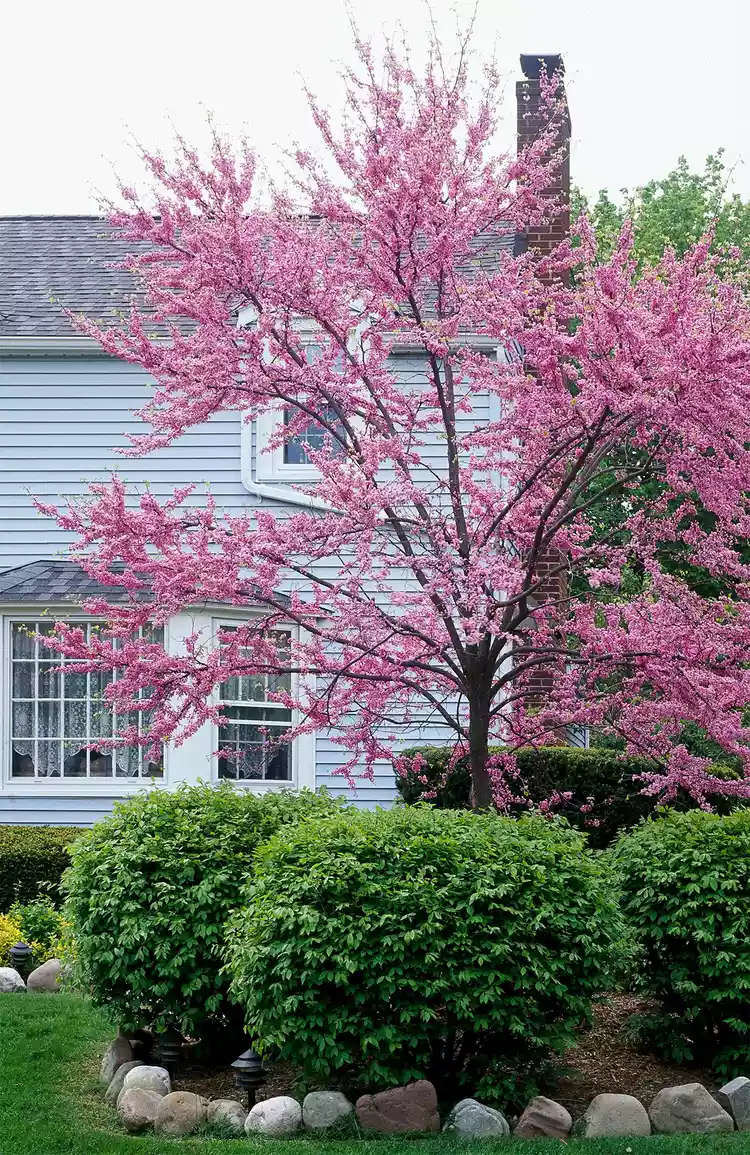
The redbud tree—which is the official state tree of Oklahoma—is a harbinger of spring, ushering in small lavender-pink, white, or magenta blooms in March and April. After a few weeks, the flowers give way to heart-shape leaves that fill the tree’s canopy with beautiful texture as the leaves transition from red to green and then golden yellow in the fall. The seedpods also hold onto the branches into the fall, adding winter interest.
The eastern redbud tree (Cercis canadensis) is native to the valleys, forests, and fields of eastern North America from southern Michigan to central Mexico, but there are redbud species as far west as California and as far north as Ontario, Canada. It is considered a small deciduous tree, typically growing no taller than 30 feet in height. It does, however, grow quickly and can reach seven to 10 feet in height in as little as five or six years.
Redbud Tree Overview
| Genus Name | Cercis selections |
| Common Name | Redbud Tree |
| Plant Type | Tree |
| Light | Part Sun, Sun |
| Height | 20 to 30 feet |
| Width | 25 to 35 feet |
| Flower Color | Pink, Purple, White |
| Foliage Color | Blue/Green, Chartreuse/Gold, Purple/Burgundy |
| Season Features | Colorful Fall Foliage, Spring Bloom, Winter Interest |
| Special Features | Attracts Birds |
| Zones | 4, 5, 6, 7, 8, 9 |
| Propagation | Seed, Stem Cuttings |
Where to Plant Redbud Trees
When planting your redbud tree, choose an area that gets several hours of full sunlight each day and keep the tree a minimum of 6 to 8 feet from any structures.
Use it as a foundation plant for a garden bed or—in hotter climates—place it in the understory of other trees where it can get ample early sunlight but be protected from the late afternoon sun. Redbud trees are well-suited for small properties where larger trees won’t fit or to be used in groups as colorful accents along a forest edge or long path.
How and When to Plant Redbud Trees
There are many varieties of redbud tree including eastern redbud (Cercis canadensis), western redbud (a.k.a., C. occidentalis or California redbud), Chinese redbud (C. chinensis), and Oklahoma redbud (C. reniformis) among others. Before planting, make sure to choose one that is suited for your hardiness zone.
Bare-root redbud trees should be planted (in hardiness zones 7 and under) in early spring when the danger of frost has passed. With redbud saplings, you have more flexibility, and you can plant in the spring or fall. Plan to make any soil amendments (like adding lime to raise the soil pH) at least two weeks before you plan to plant.
When you are ready, dig a hole at least twice the width of the root ball and just deep enough to keep the tree’s root crown slightly above the soil line. Next, remove your sapling from its container or sack and uncurl the roots before placing it in the hole. Fill in half the soil, water thoroughly, and continue adding soil until the roots are covered. Add 3 to 4 inches of mulch to help the soil retain moisture. Water your tree with about 1 to 2 gallons of water immediately after planting and continue with that amount once or twice a week for the first year.
If you are planting more than one tree, plant them at least 12 feet apart so they have room to grow.
Redbud Tree Care Tips
Redbuds are easy-to-grow trees that don't need a lot of care. Give them well-drained soil with even moisture, and they'll be content. Come fall, redbud trees sport beautiful golden color. This is because the deciduous tree's seedpods hold on through the winter. Due to the large amounts of seeds they produce, redbuds can seed around the garden, but luckily, they're pretty easy to remove from where you don't want them.
Light
Redbud trees will flower best when grown in full sun (at least 6 hours of direct sunlight each day), They can also grow in part shade and in hotter climates may prefer a little protection from harsh afternoon sun. When the weather is hot and dry, the leaves may curl up. If you can’t offer shelter when this happens, make sure your tree is getting plenty of water.
Soil and Water
Redbud trees aren’t particularly picky about soil but prefer something loamy and well-draining with a neutral to slightly alkaline (6.5 to 8.0) pH.
Give the tree a gallon or two of water each week for the first year. After that, provide water only when the soil feels dry about three inches down. Redbud trees do not tolerate wet soil.
Temperature and Humidity
Redbud trees are fairly adaptable, and the temperature requirements for different varieties vary, but most will thrive in temperatures 65-80℉ with an average relative humidity of 50-70%. Nearly all redbuds will perish if exposed to temperatures below -35℉. Harsh sun and excess heat may cause summer leaves to curl up, but it is not a great cause for concern. Give the tree some supplemental water if the soil seems dry.
Most redbuds also require a certain number of chill hours to produce blooms. Eastern redbuds, for example, do best with 700 hours of temperatures below 50 degrees Fahrenheit.
Fertilizer
Redbud is a nitrogen-fixing tree—which means that it can pull nitrogen from the air to store in the tree’s root system—so, you should not need to fertilize.
Pruning
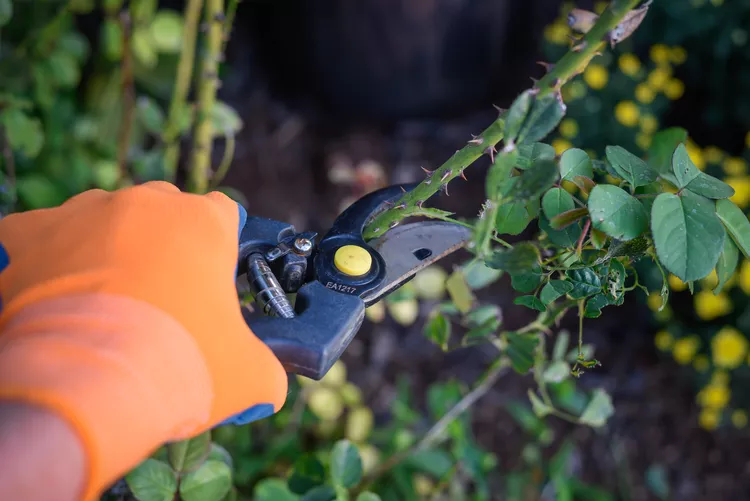
Redbuds sometimes send out low branches that can be pruned either in the winter or at the appearance of new leaves (immediately following the tree’s bloom period). Reduce the length of lateral branches to keep the tree’s structure strong and allow for passage near the trunk. While you are pruning, keep an eye out for any volunteers that may have sprung up from dropped seeds and pull them to prevent them from taking root too close to other trees or plants. Diseased or damaged redbud branches can be removed at any time.
Pests and Problems
Unfortunately, redbud trees are prone to issues with fungal diseases—in particular, Botryosphaeria canker. Cankers start as small sunken areas brown-to-black areas but can grow and ultimately kill the whole tree (and neighboring trees as well). If you notice signs of a canker, use sanitized garden shears to prune off the dead or dying branches by making cuts in the healthy portions of the tree (not the canker) and sanitize the shears between each cut. Collect and dispose of all discarded tree parts to avoid further contamination.
Verticillium wilt is another issue to watch out for. It will cause leaves to turn yellow and brown and—if left untended—cause branches to die off one by one. To prevent it from attacking your tree, be sure to sanitize your pruning tools before using them and remove any dead branches immediately.
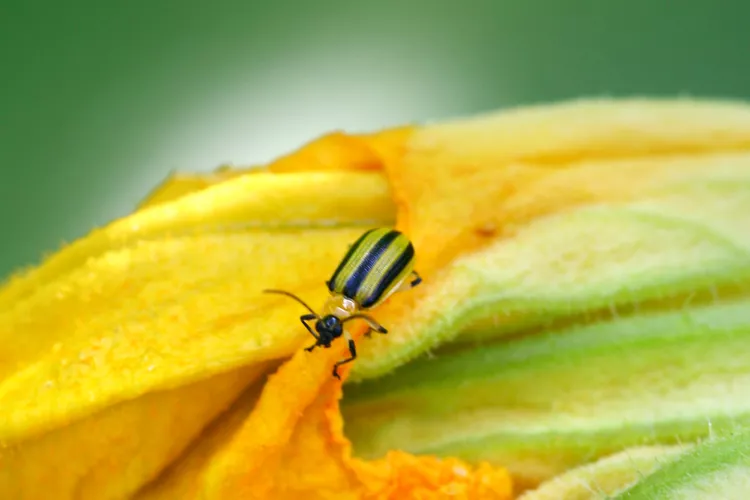
Spiders, mites, leaf beetles, caterpillars, and treehoppers are also known to take up residence in redbud trees but are less likely to cause widespread damage.
How to Propagate Redbud Trees
Propagating via Seed
To propagate from seeds, you will first need to scarify the seed coat to expose the inner layers and stratify the seed to prepare it. Collect the seed pods in the fall and hang them with string to dry. After a couple of days, remove the seeds from the pods. To break through the seed coat, submerge the seeds in boiling water for one minute. Drain the seeds and allow them to cool while you prepare a resealable bag with equal parts moist sand and sphagnum moss. Place the seeds in the mix and place the bag in your refrigerator for about 5 to 10 weeks. When you see growth begin to emerge, plant each seed about 1/4 inch deep in a 6-inch pot filled with potting mix. Place the containers outside in an area that receives about 6 hours of sun each day. If temperatures dip below 35 degrees Fahrenheit, bring them inside. Once the seedlings are approximately 6 inches tall, they can be planted in the ground.
Propagating via Cuttings
To propagate via cuttings, select your cuttings in spring or early summer when the tree’s flowers have faded and the leaves have begun to form. Choose a softwood cutting that has no flowers or buds and is at least 4 to 6 inches long with a diameter of 1/4 inch. Strip off any leaves from the lower half of the cutting and dip the severed end into a rooting hormone. Press the treated tip into a 6-inch nursery pot filled with equal parts moist milled peat and perlite. Cover the pot in a plastic bag and place your cutting in a warm place (like a greenhouse or cold frame). Check the moisture levels regularly to make sure your soil doesn’t dry out. After 4 to 6 weeks, check to see if your cutting has taken root. If it has, give it 2 more weeks in the grow pot and then transplant it to a 10-inch pot filled with high-quality potting soil. Allow the plant to grow in the 10-inch pot in a shady outdoor spot throughout the summer. Acclimate it to direct sunlight only when the summer is winding down. It can be planted in the ground in the fall.
Types of Redbud Trees
There have been many exciting new redbud introductions in the past few years. Breeding work has focused on dwarf varieties, which are ideal for small garden settings. Many novelty varieties, like new weeping forms with burgundy foliage, have also been introduced.
'Forest Pansy' Redbud
Cercis canadensis 'Forest Pansy' offers pink flowers and rich purple foliage in spring that fades to deep green in summer. It grows 30 feet tall and wide and is hardy in Zones 6-9.
Judas Tree
Cercis siliquastrum is a 15-to-25-foot-tall tree native to Southern Europe and Western Asia. It features heart-shaped leaves that emerge a rich bronze color and turn reddish-purple and dark green with age. It is adorned with breathtaking clusters of maroon flowers in spring. The name "Judas Tree" is sometimes attributed to the biblical story of Judas, but could also be a reference to the native territory of the trees. It is hardy in Zones 6-10.
Eastern Redbud
Cercis canadensis is the most common variety of redbud and the official state tree of Oklahoma. The eastern redbud tree bears pink flowers in spring that transition to heart-shape leaves that change color throughout the spring and summer months. It grows 30 feet tall and wide and is hardy in Zones 5-9.
'Rising Sun' Eastern Redbud
Cercis canadensis 'JN2' is an exciting dwarf selection that offers pink springtime flowers and marmalade-orange new growth that fades to chartreuse before maturing to blue-green. It grows 12 feet tall and wide and is hardy in Zones 5-9.
Western Redbud
Cercis occidentalis, a native of the West Coast, is hardy to about 20 degrees Fahrenheit. Its flowers decorate leafless branches in spring just as the Eastern redbud (Cercis canadensis) does. Western redbud grows 10-20 feet tall and is hardy in Zones 8-10.
Companion Plants for Redbud Trees
Yew
Like the redbud tree, yew is tolerant of most growing conditions and requires little maintenance once established. Primarily used as a hedge, yew can serve as an excellent backdrop for garden beds or as a privacy hedge for garden borders. It is hardy in Zones 4-8.
Foamflower
A close cousin to coralbells, foamflower is a perennial that prefers to grow in dappled shade. Plant it beneath your redbud tree and it will reward you with pretty green foliage and bursts of white flowers. Foamflowers are hardy in Zones 3-9.
Astilbe
If you love the look of a cottage garden, surround your redbud tree with the feather-like blooms of astilbe. The showy perennial features spring and summer blooms in pink, purple, red, and white—and it is happy to grow in the mix of sun and partial sun that the redbud tree provides. Astilbe is hardy in Zones 4-8.
Garden Plans for Redbud Trees
Nook Garden Plan
A redbud tree serves as an anchor for this quiet garden oasis full of pollinator favorites like lavender, foxgloves, and astilbe. Add a cozy bench so you can watch the birds and bask in the fragrances on a warm afternoon.