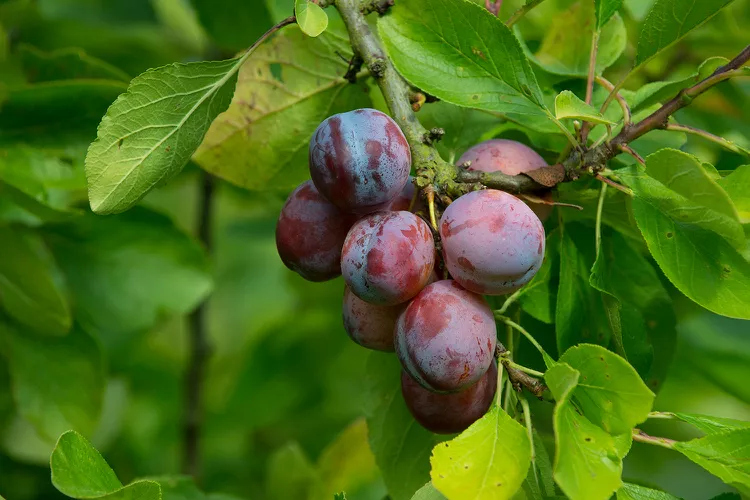
As with most fruit trees, pruning plum trees is an essential task for the long term health and maintenance of the tree. Modern cultivars grown for eating tend to produce large fruits and heavy loads that weigh down the tree and can easily become overbearing. Likewise, flowering plums, grown for the profusion of white or pink flowers, can occasionally use a trim to keep them healthy and in good form.
If you’re afraid of pruning your trees, know that some pruning is better than no pruning–especially when trees are young and benefit from shaping. It’s also worth noting that trees are resilient and most moderate pruning can later be corrected as the trees grow over time, so there’s reason to learn how to prune a plum tree.
Fruit Trees vs. Flowering Trees
When it comes to plums, there are really two types: those grown for their fruit and those that are grown for their flowers. Each type of plum has its own specific needs, both in terms of care and how they should be pruned.
Japanese Plums (Prunus Hybrids)
Japanese plums are native to Eastern Asia and are small, deciduous trees that produce flowers and fruit on first year growth. Mostly made up of hybrids of multiple species, common cultivars such as ‘Santa Rosa’ have been created for heavy production of fruit.
European Plums (Prunus Domestica)
Also known as “common plums,” this group is Native to Europe and Western Asia. They are typically small deciduous trees that produce flowers and fruit on second year growth. Fruit sizes and colors vary, but are commonly found in both green and purple forms. Some varieties of common plums are grown specifically for producing prunes.
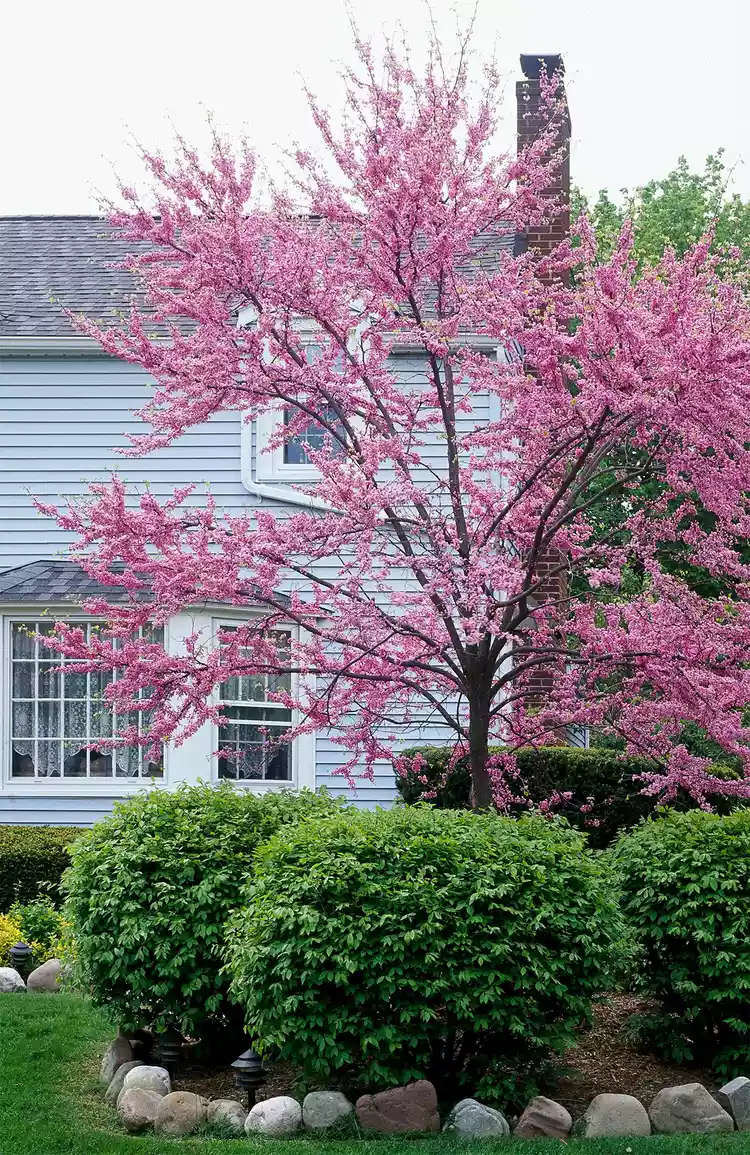
There are three species of plants known as flowering plums, the cherry plum (Prunus cerasifera), Chinese plum (Prunus mume), and flowering almond (Prunus triloba), although many species and hybrids are grown. While all flowering types do produce fruit, most have been selected for their bright colors and double flower forms, leaving fruits small and of little value. Many are grown as large shrubs rather than trees.
How to Prune Plums
Pruning your plum trees is not only a benefit to flower and fruit production, but also helps keep trees growing in a healthy shape for the long term survival of the tree. By pruning once a year, you help the tree divert energy in the direction you want it to go, producing sturdier branches that are much easier to harvest. While you can get away with not pruning your trees from time to time, the practice is highly encouraged, even if you're new to it or afraid you might damage the tree. Keep in mind, even the experts can look at the same tree and prune it back differently and if mistakes are made, plum trees are resilient and can often grow through the issue.
When is the Best Time to Prune Plums?
The best time to prune a plum tree varies depending on your location due to the risk of infection. In colder northern environments with humid summers, late spring is best to avoid fungal spores in the air. In dry summer regions with mild winters, prune during mid summer while fungal spores are less prevalent.
What Tools Will You Need for Pruning?
The tools needed to prune plum trees really aren't much different from those you might already have in your tool shed or garage. A pair of sharp shears and hand saw will usually suffice for the first many years while your trees grow and attain some height. Eventually, you may also want to purchase a pole saw to reach higher branches.
Along with your cutting tools, a pair of sturdy gloves and eye protection are also recommended as tools such as saws tend to stick and the extra force needed to push through the wood can lead to injury. Avoiding the use of ladders when trimming or sawing will further reduce the risk.
General Pruning Tips
When you purchase your new trees, be sure to ask whether the tree has been previously pruned or if it needs to be trimmed after planting. Many bare root trees will come pre-pruned prior to planting, but others might need a quick trim to help balance the ratio of branches to roots.
Each type of plum needs to be pruned in a specific way, but there are some general pruning tips to consider. Before you begin, walk a full circle around your tree and look at its overall form. Keep in mind that pruning allows you to direct future growth by deciding which buds to leave and which buds to remove.
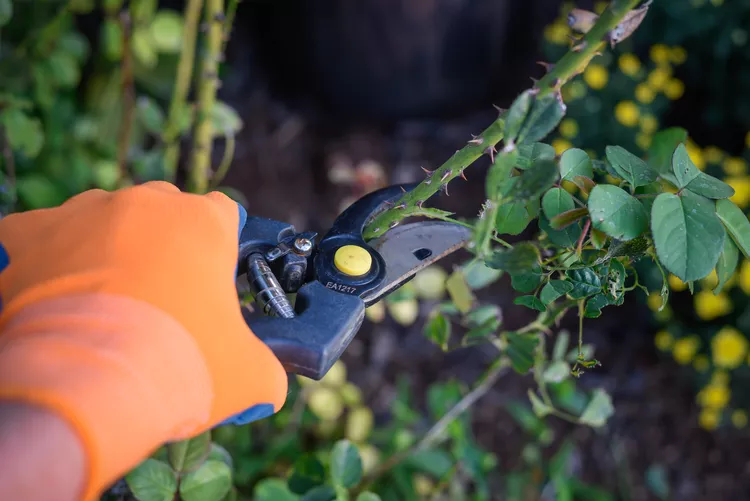
For a proper trim, always make full, clean cuts at about a 45 degree angle and leave a small stump. Too much of a stump will create a snag whereas too small of a cut flush against the bark opens the tree up to infection. A small stump will allow for a bit of dieback. If stems or branches splinter, use a sharper blade to recut to leave a clean stump.
Look for crossed, broken, or dead branches and trim them off first. Any watersprouts or suckers–especially those below the graft–should be removed. Focus on strong central stems, avoid creating V shape branch structures, which split more easily.
How to Prune European Plums
European plums produce new growth along a central leader stem. Each season, the dominant top bud will produce new growth above as well as horizontal side shoots. Height can be controlled in young trees by trimming back the central leader just above a bud. Begin pruning by removing any upward growing branches aside from the central leader. Horizontal branches coming from the main stem should be spaced vertically by 4-8 inches. European plums produce flowers and fruit on two year old growth.
How to Prune Japanese Plums
Japanese plums should be grown with a wide vase or wine glass shape in mind. In the first year of growth, cut back the central stem and allow for three to five main branches to grow from the tree's main trunk. Japanese plums produce fruit on one year growth, so you can cut back about a third of previous year's growth. This will help create strong branches and avoid overproduction of fruit.