Timing is everything with lawn care. You can aerate, weed, water, and mow correctly and still have a struggling lawn. Whether you rely on do-it-yourself lawn treatments or hire professionals, your grass must get what it needs during the optimal time frame to thrive. For example, even something as simple as turning on your sprinklers too late in the day could encourage diseases to crop up (not to mention wasting water).
Read on for lawn care 101: Here are the most common lawn care mistakes to avoid and how to time all your yard work just right so you end up with the best-looking grass on the block.
1. Treating Broadleaf Weeds When It’s Dry
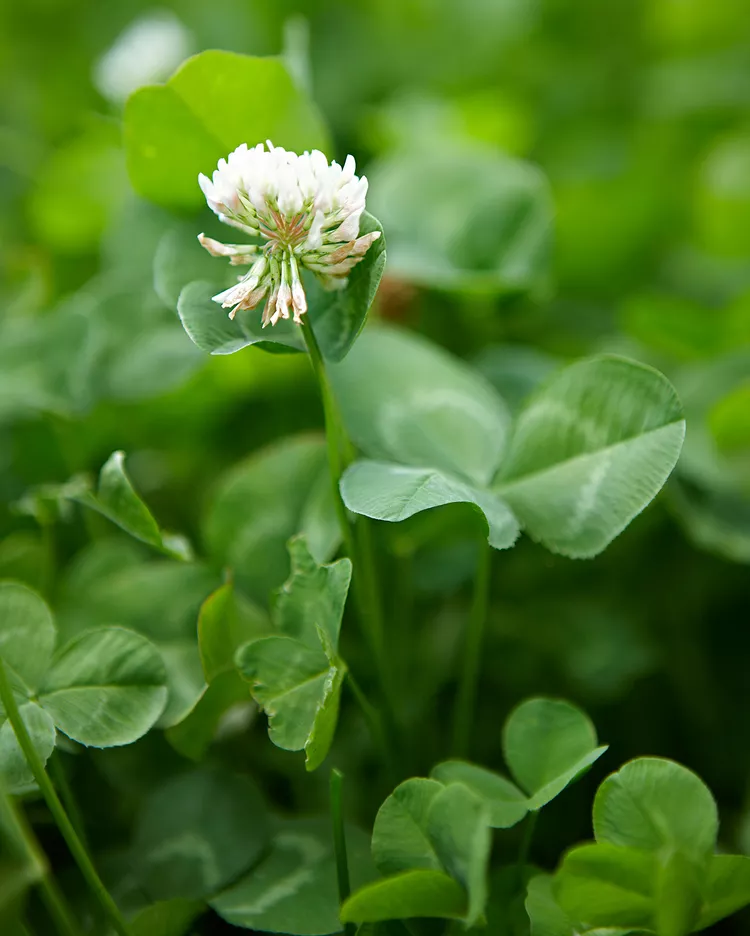
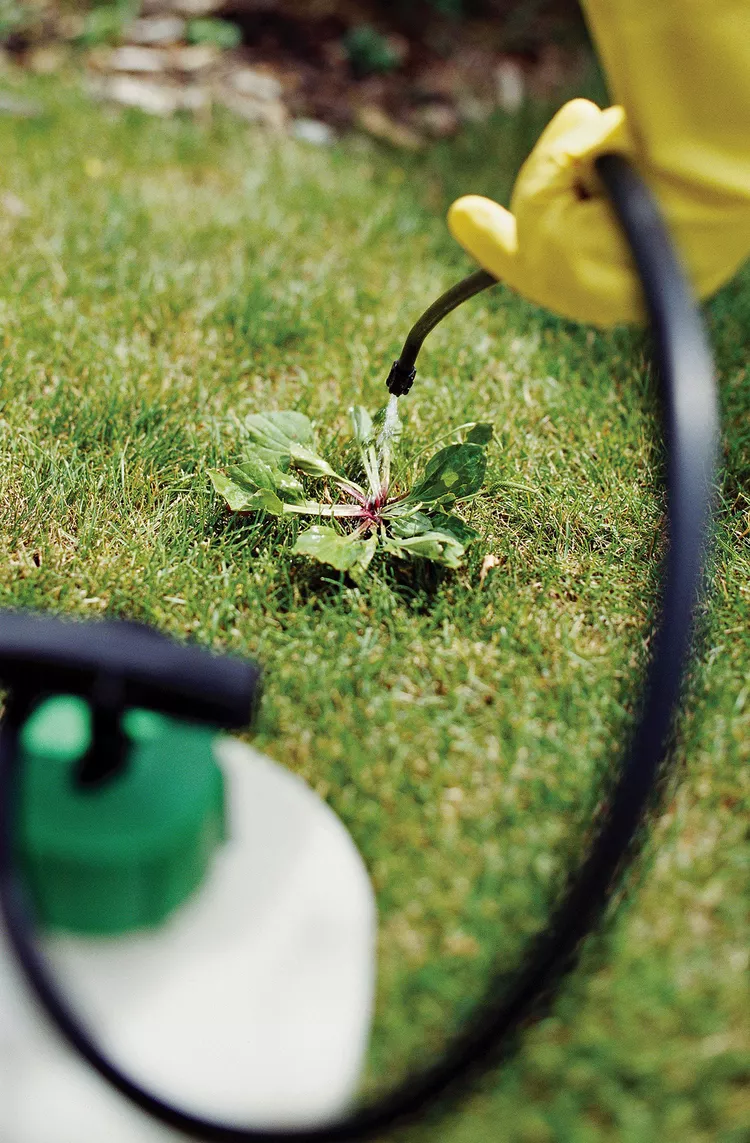
Dandelions, clover, and creeping Charlie are some of the most common broadleaf weeds, but plenty of other plants can invade quickly and spread relentlessly. You can use a granular weed-and-feed product to keep them in check or spray an organic liquid broadleaf weed killer.
The right time: To treat actively growing weeds, apply granular products on a dewy morning or spot-treat them with an organic herbicide on a warm, sunny day.
Why timing matters: Appropriately used, broadleaf weed killers are highly effective when conditions are optimal. For example, the granules of weed-and-feed products, which are applied with a spreader, must stick to the leaves of the weeds to be effective. That requires moisture, so the perfect time to apply is in the early morning when there's heavy dew on the lawn. You'll waste time and money on lawn care if the grass isn't wet. Warm temperatures often help liquid treatments work faster, too. However, if you've been having a hot but dry summer, you'll want to water your lawn first.
2. Applying Weed Preventers Too Late
Pre-emergent herbicides or weed preventers control crabgrass and other weeds by stopping their seeds from germinating. An application early in the growing season works wonders. It's like vaccinating your lawn against weeds.
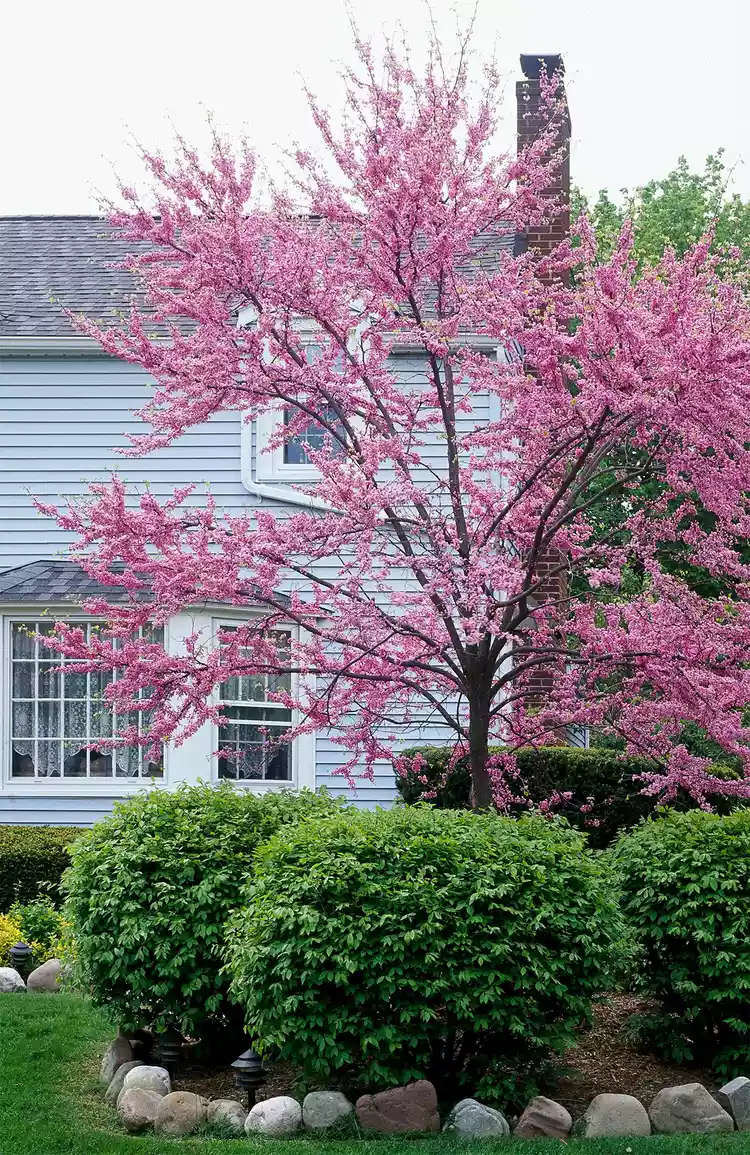
The right time: Apply preventer when forsythia blooms drop (from March to May, depending on your region).
Why timing matters: Weed preventers are not effective against weeds that have already begun to grow, so you must apply them before germination to gain any benefit. Crabgrass, the primary target of lawn weed preventers, typically germinates just after forsythia blooms, so take your cue from Mother Nature. When you notice forsythia bushes dropping their blossoms, apply a weed preventer, like corn gluten meal, and water as soon as possible to activate it.
Need to reseed? For cool-season grasses, fall is the ideal time; plant warm-season grasses in late spring. But remember: Don't apply crabgrass preventer at the same time that you seed your lawn; it stops all seedlings from growing, even the ones you may want to grow.
3. Not Fertilizing Your Lawn
As grass (or any plant) grows, it uses up nutrients in the soil. When you mow and bag up clippings, over time, all the soil nutrients will get used up, so you'll need to add fertilizer. If you let clippings decompose back into the soil instead, that will help a little, but you may still need to replenish available nutrients once in a while. A soil test every year will show you how much you may need to add. When you feed your lawn is important for lawn care, too.
The right time: North: Feed in the fall and spring. South: Feed in spring and summer.
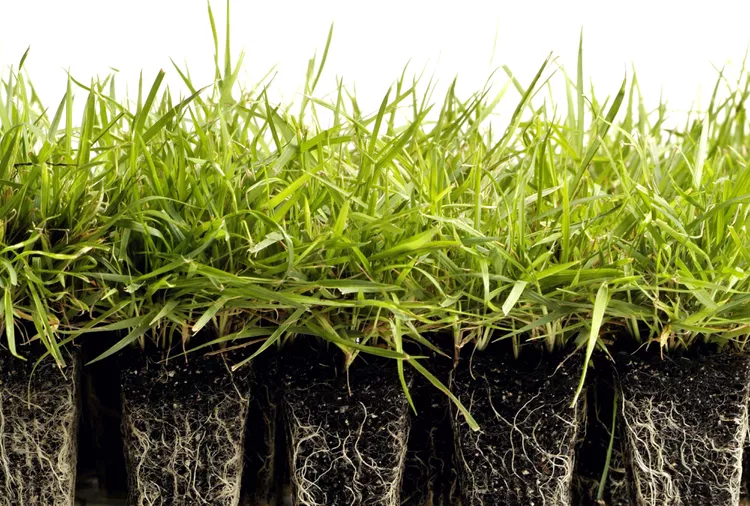
Why timing matters: Grass needs to be fed when it's actively growing. For cool-season grasses (bluegrass, fescues, and ryegrass), this primarily means spring and fall. For warm-season grasses such as zoysia, Bermuda, and St. Augustine, late spring and summer are the prime growing times.
In addition, cool-season grasses benefit from feeding in late fall (October or November), when growth has slowed but the grass is still green. The result is earlier greening and better appearance the next spring. Experts agree that this may be the most beneficial time to feed a cool-season lawn.
Warm-season lawns should not be fed in the fall unless they've been overseeded with winter ryegrass. Also, avoid fertilizing any dormant grass, either in winter or summer (drought can cause grass to go dormant in the summer), as the application will be wasted.
4. Aerating Your Lawn at the Wrong Time
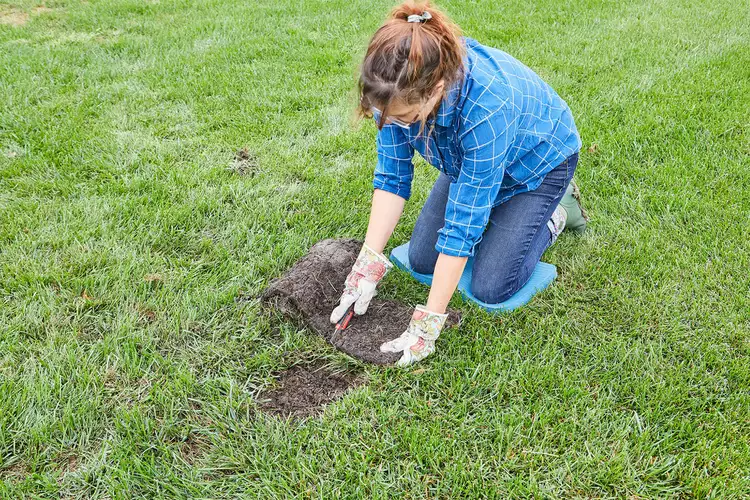
You do aerate, right? Over time, soil gets compacted by being walked on, and thatch builds up. Aerating helps loosen the soil again and allows water to reach grass roots more easily.
The right time: Aerate when the soil is moist, and grass is actively growing.
Why timing matters: A common mistake in lawn care is aerating when soil is dry and hard, and not even the top-rated lawn aerators can penetrate the soil deeply. Water your lawn before aerating, or wait for a good rain. Ideal conditions for aerating occur more often in spring and fall (for cool-season grasses), but summer also is acceptable for well-watered lawns.
5. Watering Too Late in the Day
No matter where you live or what type of grass you have, your lawn care will probably include at least some irrigation to keep it green during extended summer dry spells.
The right time: Water early in the morning.
Why timing matters: Early morning is the best time to give your lawn a drink. The sun's warmth will soon dry the grass and lessen the chance of disease. Avoid nighttime watering, which can encourage disease due to prolonged wetness, and watering during the warmest times of the day, when a lot of the water may evaporate before the plants can absorb it.
When water is necessary, do so once or twice a week, long enough to wet the soil several inches down. Compared with frequent but shallow irrigation, this better encourages deep roots and makes your lawn more drought-tolerant. Some cities and municipalities have recommendations or restrictions on the timing and frequency of watering to help cut down on waste, so it's a good idea to check that you follow those guidelines.
6. Not Mowing Frequently Enough
Mowing may seem like a no-brainer, but how (and how often) you do it significantly affects the health and appearance of your lawn.
The right time: Mow as neededso that you cut off no more than a third of the height of your grass at a time. For example, if you set your mower at two inches, don't let the grass get taller than three inches before mowing.
Why timing matters: Many homeowners ritually mow on weekends, effectively putting their lawns on a seven-day mowing schedule. Most of the year, weekly mowing may be fine. But when growth is vigorous in spring, mowing may be necessary every four or five days. Longer intervals allow the grass to become too tall between cutting, stressing the lawn and making it less attractive. Keeping a well-mowed lawn is also an easy way to discourage fleas and ticks because pests prefer hiding out in long grass.