8 Simple Tips for Harvesting Rhubarb at Its Peak

4K
79
22
2025-11-04
8 Simple Tips for Harvesting Rhubarb at Its Peak

Fresh rhubarb is a springtime treat that’s delicious in jams, jellies, and strawberry rhubarb pie. You can absolutely grow this vegetable yourself, but if you want to get the biggest and tastiest rhubarb stalks, you need to master the art of harvesting rhubarb. From timing your harvest to preserving freshly picked rhubarb, these tips will help you harvest a large crop of stalks without compromising the health of your plants.

The stalks of rhubarb are safe to eat, even raw, but the leaves are toxic to humans and animals.

1. Be Patient

Rhubarb plants are perennials that grow relatively slowly, and harvesting them before they’re fully mature can weaken the plants and cause stunted growth. Rhubarb grown from nursery starts can be harvested in its second year, one year after you plant it in your garden. However, if you’re growing rhubarb from seed, wait until plants are at least three years old to start harvesting.

2. Know When to Harvest

One of the great things about rhubarb is that the stalks can be picked in spring—long before most other garden vegetables start producing. In the northern hemisphere, rhubarb season usually begins in April or May and stretches through the end of June. Rhubarb continues to grow through summer and into fall, but it’s best to stop harvesting plants by early July as the stalks can get woody in summer, and the plants require time to recover before winter hits.

3. Don’t Worry About Stalk Color

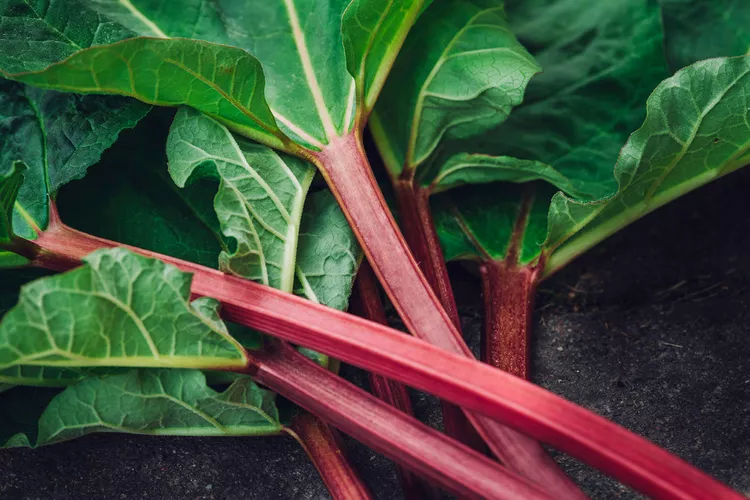
When most people think about edible rhubarb, they think about long, crisp rhubarb stalks that are bright red or pink. However, the stalk color doesn’t indicate whether rhubarb is ripe. Different varieties of rhubarb have different colored stalks, and it’s fine to harvest rhubarb with pale stems.

4. Look for These Signs of Ripeness

The best way to tell if rhubarb is ripe is to measure the rhubarb stalks. Ripe rhubarb stalks should be at least 10 inches long (not including the leaves), but it’s OK to harvest stalks that are longer. Rhubarb develops flavor as it grows, and longer stalks often have the best taste.

Healthy rhubarb stems should also be crisp, firm, and plump. Mushy or damaged stems can be clipped away and composted, but spindly or thin stems should be left on the plant. Undersized stems usually need more time to grow, but they can also indicate that the plant is weak and needs some time to recover before further harvesting.

5. Use the ‘Twist and Pull’ Method

One of the most common mistakes growers make when harvesting rhubarb is using a knife on the stalks. Cutting rhubarb stalks can make plants more vulnerable to pests and diseases like crown rot. Also, cut stalks don’t regrow, and they can redirect the plant’s energy away from producing new stems.

Instead of cutting the stalks, harvest your rhubarb by grasping a stem near the soil line and twisting it free with a gentle, pulling motion. The stem should come away easily from the plant at the root line with a quiet pop. If the stalk is difficult to remove, move your hand closer to the soil line and pull again. Using this “twist and pull” method is healthier for rhubarb plants and encourages them to produce more stems for future harvests.

6. Limit Your Harvest

Like most vegetables and herbs, rhubarb plants can become weak and stop growing if they’re over-harvested. To avoid this problem, always leave at least one-third to half of the plant’s stems intact and wait for the plant to produce more stalks before harvesting again. Also, remember that young plants should not be harvested as aggressively as older, established rhubarb plants.

7. Remove the Leaves

Immediately after harvesting, use a sharp knife to cut the rhubarb leaves off the stalks. Rhubarb leaves are toxic, and they can cause harvested rhubarb stalks to wither prematurely. While those rhubarb leaves should never be eaten, it’s safe to compost them.

8. Store Your Harvest the Right Way

Fresh rhubarb stalks can be stored in a perforated bag in the crisper drawer of your fridge for three to four weeks, but don't wash them until right before you use them. For longer-term storage, rhubarb can be frozen or canned and stored in the pantry. If you plan on using rhubarb to make strawberry rhubarb pie, freezing the rhubarb stalks will ensure you have plenty of rhubarb on hand when strawberry season begins in June.

Frequently Asked Questions

  • Why are my rhubarb stalks so thin?

    Undersized stalks may mean that your rhubarb plant is too young to harvest or that the stalks need more time to grow. However, thin stems may also indicate that the rhubarb plants need fertilizer or are growing too close to other plants.

  • When should you not pick rhubarb?

    Rhubarb should not be picked after early July because the plants need time to recover and store energy before winter. Also, the stalks can become woody and unpleasant to eat as the season progresses.

  • What time of day do you pick rhubarb?

    Some growers prefer to harvest rhubarb in the morning or evening, but rhubarb can be harvested at any time of the day. Just be sure to bring the stalks indoors soon after harvesting so they don’t start to wilt.

Sources
Better Homes & Gardens is committed to using high-quality, reputable sources—including peer-reviewed studies—to support the facts in our articles. Read about our editorial policies and standards to learn more about how we fact check our content for accuracy.
  1. Rhubarb. National Capital Poison Center

  2. Rhubarb. ASPCA

Related Article

3 Potted Plant Arrangement Ideas for a Gorgeous Patio Garden
9.1K
273
27

3 Potted Plant Arrangement Ideas for a Gorgeous Patio Garden

Fill a space with beautiful color and texture using containers that rival earthbound flower beds—especially in spots where planting is difficult.
6 Must-Know Tips on Mandevilla Care in Pots to Keep the Flowers Coming All Summer
15.4K
1.1K
496

6 Must-Know Tips on Mandevilla Care in Pots to Keep the Flowers Coming All Summer

Mandevilla care in pots is a little different than growing these gorgeous summer-blooming plants in the ground. Use these tips to keep your potted mandevilla plant thriving and flowering all season.
14 Holiday Planter Ideas That Will Give Guests a Warm Welcome
15.8K
946
132

14 Holiday Planter Ideas That Will Give Guests a Warm Welcome

Use outdoor arrangements to set a festive mood this holiday season. Copy these holiday planter ideas, or use them as inspiration for your custom look.
7 Easy-to-Grow Bonsai Tree Types Perfect for Beginners
11.9K
830
141

7 Easy-to-Grow Bonsai Tree Types Perfect for Beginners

These bonsai tree types are easy to care for, indoors and outside. They include tough conifers such as juniper and pine, and popular houseplants such as ficus and schefflera.
How to Plant and Grow a Redbud Tree
29.4K
1.5K
161

How to Plant and Grow a Redbud Tree

Add colorful texture and three seasons of interest to small garden spaces with the easy-to-grow redbud tree.
How to Sharpen Your Lawn Mower Blade for a Cleaner Cut
39.1K
1.6K
750

How to Sharpen Your Lawn Mower Blade for a Cleaner Cut

Follow this step-by-step guide on how to sharpen your lawnmower blade for grass that will look tidier and stay healthier all season long.
How to Get Rid of Clover in Lawns
21.6K
864
224

How to Get Rid of Clover in Lawns

Learn how to get rid of clover in lawns with these tips for using fertilizer, herbicides, and more, plus advice for embracing a mixed-species lawn.
How to Grow and Maintain a Zoysiagrass Lawn
26.2K
262
36

How to Grow and Maintain a Zoysiagrass Lawn

Slow-growing zoysiagrass is a lawn grass for warm climates. Count on it to grow well in part shade or full sun and stand up to foot traffic.
How to Plant Sod in 5 Simple Steps
42.7K
854
409

How to Plant Sod in 5 Simple Steps

Sod is best planted in the spring and early autumn when the temperatures are cooler. Follow these steps for a how to plant sod.
25 Gardening Tips Every Gardener Should Know
16.7K
667
120

25 Gardening Tips Every Gardener Should Know

Whether you have a green thumb or not, check out this list of essential gardening tips to ensure that all your plants grow and thrive.
How to Propagate a Rubber Plant Successfully
1.8K
176
66

How to Propagate a Rubber Plant Successfully

Learn how to propagate rubber plants through cuttings and air layering with this step-by-step guide.
Here's Why Your Snake Plant Leaves Are Falling Over, and What to Do About It
33.1K
3.3K
1.1K

Here's Why Your Snake Plant Leaves Are Falling Over, and What to Do About It

Wondering why your snake plant leaves are falling over? This guide will help you figure out and fix the problem.
How to Grow and Care for a Coffee Plant Indoors
46.1K
922
405

How to Grow and Care for a Coffee Plant Indoors

Learn how to grow a coffee plant indoors, including tips on light, humidity, watering, and pot size. This houseplant will add a tropical touch to your home with its glossy green leaves.
How to Plant and Grow Vanilla Bean Orchids
29.3K
1.2K
257

How to Plant and Grow Vanilla Bean Orchids

Some orchids do more than flower. Find out how to grow vanilla bean orchids at home and harvest your own vanilla beans.
11 Tropical Flower Plants That Will Enliven Any Room
12.5K
625
250

11 Tropical Flower Plants That Will Enliven Any Room

Add color to your home with these blooming tropical flower plants. We have all the info you need to care for them to add color and fragrance.
How to Spot 5 Common Plant Diseases and Keep Your Garden Healthy
4.4K
219
37

How to Spot 5 Common Plant Diseases and Keep Your Garden Healthy

Protect your plants from the most common diseases. Learn to recognize the symptoms and how to prevent these diseases in the first place.
8 Insect-Repelling Plants that Work Naturally to Send Bugs Packing
34.4K
2.8K
660

8 Insect-Repelling Plants that Work Naturally to Send Bugs Packing

Improve your time outdoors with a few strongly scented insect-repelling plants, which can send pesky biting bugs, like mosquitoes and flies, packing.
Prevent Damping Off Disease in Seedlings with These 8 Simple Tips
25K
1.5K
210

Prevent Damping Off Disease in Seedlings with These 8 Simple Tips

Protect seedlings from damping off disease and boost seed germination rates with these growing tips.
How to Get Rid of Cucumber Beetles on Your Plants
40.6K
405
52

How to Get Rid of Cucumber Beetles on Your Plants

Have you noticed little bugs on cucumber plants in your garden? Find out how to identify a cucumber beetle and prevent these insects from killing your cucumber, melon, squash, and other crops.
21 Best Vegetables to Grow in Pots
4.1K
326
68

21 Best Vegetables to Grow in Pots

Choose from these vegetables to grow in pots to enjoy plenty of homegrown produce even from a small space. From petite tomato plants to mini melons, this list includes 21 tasty options that will thrive in containers.