How to Plant and Grow Trifoliate Orange

24.3K
1.5K
203
2025-10-24
How to Plant and Grow Trifoliate Orange

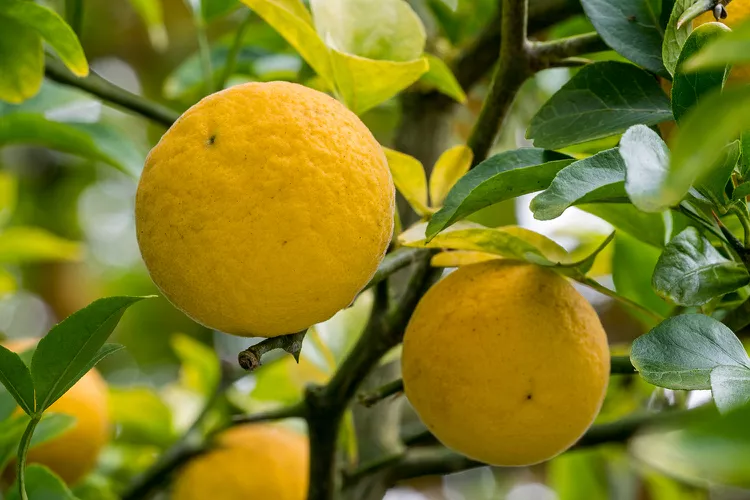
Boasting edible fruit and large thorns, trifoliate orange is a hardy citrus for cold regions. This large shrub or small tree is hardy down to Zones 5 and produces sour fruit that is deep yellow and about the size of a golf ball. The fruit has a thick peel and many seeds, and has a flavor that falls somewhere between a lemon and a grapefruit. The fruit ripens in fall and can be juiced for use in beverages. The pulp can be used for jam. Trifoliate orange is a four-season plant. Exceptionally fragrant white flowers in spring are followed by clean, green summer foliage, yellow fall color, and its contorted, slightly twisting branches are eye-catching in winter. 

Trifoliate orange can reseed prolifically and invade woodlands, forest edges, fence rows, and urban green spaces. It's classified as an invasive species in Alabama, Georgia, and South Carolina and may not be planted in these states. Trifoliate orange is an identified aggressive species in many nearby states.

Trifoliate orange, hardy orange, bitter orange Overview

Genus Name Citrus trifoliata
Common Name Trifoliate orange, hardy orange, bitter orange
Plant Type Fruit, Shrub, Tree
Light Sun
Height 8 to 20 Feet
Width 6 to 15 Feet
Flower Color White
Foliage Color Blue/Green
Season Features Colorful Fall Foliage, Spring Bloom
Zones 5, 6, 7, 8
Propagation Seed, Stem Cuttings

Where to Plant Trifoliate Orange

Trifoliate orange is native to China and is thought to have been introduced to North America for use as a barrier plant, especially in agricultural settings. It was planted in hedgerows as a living fence for livestock. It can make an interesting living fence in home landscapes today, but beware of the long, sharp thorns. Avoid planting it where small children or pets may play or near busy walkways. Thanks to its four seasons of interest, trifoliate orange can also make a striking specimen plant in the landscape.

How and When to Plant Trifoliate Orange

Trifoliate orange is difficult to find in nurseries and garden centers. Search out a reputable dealer online. Plant trifoliate orange in spring or early fall. Dig a planting hole just large enough to accommodate the root system. Position the root ball in the planting hole so the root flair is level with the surrounding grade and backfill with soil from the planting hole. Water your newly planted trifoliate orange regularly for the first year after planting. After the plant is established, it will rarely require supplemental watering. 

Care Tips

Light

At least 8 hours of bright, direct sunlight is essential for a good fruit set for trifoliate orange. Plants will grow in part shade, but they will produce fewer fruit. 

Soil and Water

Trifoliate orange, like most citrus plants, thrives in well-drained soil. It doesn’t tolerate heavy clay or soggy soil. Avoid planting it near areas where water stands after a big rain or places with heavy, hard soil. The best soil for growing trifoliate orange is lightweight, loose, and has a sandy texture.  Trifoliate orange generally gets all the water it needs from natural precipitation. It is somewhat drought tolerant and only requires supplement watering during periods of extreme drought. 

Temperature and Humidity

Hardy in Zones 5 through 9, trifoliate orange is a unique citrus plant for cold regions. In Zone 5, provide winter protection by planting it on the south side of a building or line of trees. The building or trees will protect the plant from cold, drying north winds. 

Fertilizer

Trifoliate orange does not require fertilization. It grows, flowers, and fruits well in native soil if the soil is well-drained. 

Pests and Problems

Trifoliate orange has no notable pests or problems.

Pruning Trifoliate Orange

Trifoliate orange grows quickly and benefits from annual pruning. When pruning, wear heavy leather gloves to protect your hands from the sharp thorns. Prune in winter when the plant’s structure is clearly visible. Remove dead, broken, and crossing branches. Trifoliate orange spreads slowly; keep it in bounds by digging up stems that emerge beyond its allotted areas in the landscape as soon as they are noticed. 

How to Harvest Trifoliate Orange

Harvest trifoliate orange fruits in fall when they turn deep yellow and have a light citrus fragrance. The fuzzy fruit has a thick rind and is extremely sour. Dispose of fallen fruit to prevent rampant reseeding.

Propagating Trifoliate Orange

Make more trifoliate orange plants by taking stem cuttings and rooting them in moist potting soil. Grow the cuttings in a protected location for several weeks until a strong root system is established. After the root system is established, transplant cuttings into the landscape and water them well. Trifoliate orange can also be started from seed. Plant seeds in moist potting soil and transplant into the garden when they are 6 inches tall. 

Types of Trifoliate Orange

‘Flying Dragon’ is a small cultivar compared to the species. It has a shrub-like growth habit and stands 6 feet or so tall and wide. The curling, contorted stems and dense habit make it an excellent barrier plant or hedge. ‘Flying Dragon’ has good fruit production.

Frequently Asked Questions

  • Is trifoliate orange the same as hardy orange?

    One of the most cold-tolerant citrus plants, trifoliate orange is also known as hardy orange. Don’t be fooled by its name, though; it is not sweet and juicy like a navel orange. Another common name, bitter orange, better describes its flavor. While it is hardy in chilly Zone 5, it doesn’t produce sweet oranges.

  • Can trifoliate orange be grown indoors?

    Yes, trifoliate orange can grow indoors. It grows well when planted in a large pot filled with potting soil. Move the pot outside to a sunny porch or patio in summer and bring it inside for the winter months. Keep in mind that trifoliate orange is deciduous—it loses its leaves in fall. A potted trifoliate orange will be a mass of leafless twigs in winter, but the twigs have an intriguing, contorted appearance. 

Sources
Better Homes & Gardens is committed to using high-quality, reputable sources—including peer-reviewed studies—to support the facts in our articles. Read about our editorial policies and standards to learn more about how we fact check our content for accuracy.
  1. "Trifoliate Orange." Invasive Plant Atlas of the United States.

  2. "Citrus trifoliata." NC State Extension. North Carolina State University

Related Article

3 Potted Plant Arrangement Ideas for a Gorgeous Patio Garden
9.1K
273
27

3 Potted Plant Arrangement Ideas for a Gorgeous Patio Garden

Fill a space with beautiful color and texture using containers that rival earthbound flower beds—especially in spots where planting is difficult.
6 Must-Know Tips on Mandevilla Care in Pots to Keep the Flowers Coming All Summer
15.4K
1.1K
496

6 Must-Know Tips on Mandevilla Care in Pots to Keep the Flowers Coming All Summer

Mandevilla care in pots is a little different than growing these gorgeous summer-blooming plants in the ground. Use these tips to keep your potted mandevilla plant thriving and flowering all season.
14 Holiday Planter Ideas That Will Give Guests a Warm Welcome
15.8K
946
132

14 Holiday Planter Ideas That Will Give Guests a Warm Welcome

Use outdoor arrangements to set a festive mood this holiday season. Copy these holiday planter ideas, or use them as inspiration for your custom look.
7 Easy-to-Grow Bonsai Tree Types Perfect for Beginners
11.9K
830
141

7 Easy-to-Grow Bonsai Tree Types Perfect for Beginners

These bonsai tree types are easy to care for, indoors and outside. They include tough conifers such as juniper and pine, and popular houseplants such as ficus and schefflera.
How to Plant and Grow a Redbud Tree
29.4K
1.5K
161

How to Plant and Grow a Redbud Tree

Add colorful texture and three seasons of interest to small garden spaces with the easy-to-grow redbud tree.
How to Sharpen Your Lawn Mower Blade for a Cleaner Cut
39.1K
1.6K
750

How to Sharpen Your Lawn Mower Blade for a Cleaner Cut

Follow this step-by-step guide on how to sharpen your lawnmower blade for grass that will look tidier and stay healthier all season long.
How to Get Rid of Clover in Lawns
21.6K
864
224

How to Get Rid of Clover in Lawns

Learn how to get rid of clover in lawns with these tips for using fertilizer, herbicides, and more, plus advice for embracing a mixed-species lawn.
How to Grow and Maintain a Zoysiagrass Lawn
26.2K
262
36

How to Grow and Maintain a Zoysiagrass Lawn

Slow-growing zoysiagrass is a lawn grass for warm climates. Count on it to grow well in part shade or full sun and stand up to foot traffic.
How to Plant Sod in 5 Simple Steps
42.7K
854
409

How to Plant Sod in 5 Simple Steps

Sod is best planted in the spring and early autumn when the temperatures are cooler. Follow these steps for a how to plant sod.
25 Gardening Tips Every Gardener Should Know
16.7K
667
120

25 Gardening Tips Every Gardener Should Know

Whether you have a green thumb or not, check out this list of essential gardening tips to ensure that all your plants grow and thrive.
How to Propagate a Rubber Plant Successfully
1.8K
176
66

How to Propagate a Rubber Plant Successfully

Learn how to propagate rubber plants through cuttings and air layering with this step-by-step guide.
Here's Why Your Snake Plant Leaves Are Falling Over, and What to Do About It
33.1K
3.3K
1.1K

Here's Why Your Snake Plant Leaves Are Falling Over, and What to Do About It

Wondering why your snake plant leaves are falling over? This guide will help you figure out and fix the problem.
How to Grow and Care for a Coffee Plant Indoors
46.1K
922
405

How to Grow and Care for a Coffee Plant Indoors

Learn how to grow a coffee plant indoors, including tips on light, humidity, watering, and pot size. This houseplant will add a tropical touch to your home with its glossy green leaves.
How to Plant and Grow Vanilla Bean Orchids
29.3K
1.2K
257

How to Plant and Grow Vanilla Bean Orchids

Some orchids do more than flower. Find out how to grow vanilla bean orchids at home and harvest your own vanilla beans.
11 Tropical Flower Plants That Will Enliven Any Room
12.5K
625
250

11 Tropical Flower Plants That Will Enliven Any Room

Add color to your home with these blooming tropical flower plants. We have all the info you need to care for them to add color and fragrance.
How to Spot 5 Common Plant Diseases and Keep Your Garden Healthy
4.4K
219
37

How to Spot 5 Common Plant Diseases and Keep Your Garden Healthy

Protect your plants from the most common diseases. Learn to recognize the symptoms and how to prevent these diseases in the first place.
8 Insect-Repelling Plants that Work Naturally to Send Bugs Packing
34.4K
2.8K
660

8 Insect-Repelling Plants that Work Naturally to Send Bugs Packing

Improve your time outdoors with a few strongly scented insect-repelling plants, which can send pesky biting bugs, like mosquitoes and flies, packing.
Prevent Damping Off Disease in Seedlings with These 8 Simple Tips
25K
1.5K
210

Prevent Damping Off Disease in Seedlings with These 8 Simple Tips

Protect seedlings from damping off disease and boost seed germination rates with these growing tips.
How to Get Rid of Cucumber Beetles on Your Plants
40.6K
405
52

How to Get Rid of Cucumber Beetles on Your Plants

Have you noticed little bugs on cucumber plants in your garden? Find out how to identify a cucumber beetle and prevent these insects from killing your cucumber, melon, squash, and other crops.
21 Best Vegetables to Grow in Pots
4.1K
326
68

21 Best Vegetables to Grow in Pots

Choose from these vegetables to grow in pots to enjoy plenty of homegrown produce even from a small space. From petite tomato plants to mini melons, this list includes 21 tasty options that will thrive in containers.