
Trumpet vine, which goes by many other nicknames, has emerald-green leaves that create a backdrop for its 3- to 4-inch-long trumpet-shaped flowers that come in shades of orange, yellow, and red. Once trumpet vines bloom, they can continue their show all summer long.
The trumpet vine’s tubular blooms are known to attract hummingbirds—so much so that the plant is occasionally referred to as “hummingbird vine." The flowers of this perennial also resemble foxglove blooms, leading to another common nickname for the plant, “foxglove vine”.
The first word of the trumpet vine’s botanical name, Campsis radicans, comes from the Greek word, kampe, which refers to the curved stamens of the blooms. The second word, radicans, means “rooting”, which refers to the abundant rootlike aerial stems that can form on the plant, holding it in place as a groundcover and often tripping passersby. This is what gives the plant the nickname “hellvine” or “devil’s shoestrings”.
It should be noted that contact with trumpet vine leaves or flowers can cause contact dermatitis. In fact, trumpet vine is occasionally referred to as “cow-itch vine” due to its tendency to cause skin irritation (much like poison ivy). It’s best to wear gloves and other skin coverings when managing and handling the plant.
Trumpet Vine Overview
| Genus Name | Campsis |
| Common Name | Trumpet Vine |
| Plant Type | Vine |
| Light | Sun |
| Height | 20 to 40 feet |
| Width | 5 to 20 feet |
| Flower Color | Orange, Red, Yellow |
| Foliage Color | Blue/Green |
| Season Features | Fall Bloom, Summer Bloom |
| Special Features | Attracts Birds |
| Zones | 5, 6, 7, 8, 9 |
| Propagation | Layering, Seed, Stem Cuttings |
| Problem Solvers | Drought Tolerant, Slope/Erosion Control |
Where to Plant Trumpet Vine
Trumpet vine, which is hardy in Zones 5-9, is popular for its ability to attract pollinators and its quick ability to cover trellises, garden gates, fences, and arbors in lush green vines and colorful blooms. Given sufficient space, it can also be used as a groundcover that will control erosion, thanks to its thick, fibrous roots. It flowers best in full sun, but can also grow in partial sun where it may spend more energy spreading than flowering.
To manage the growth of your trumpet vine, plant it in a location where it can be controlled. Planting it near concrete will limit its spreading options. Planting it where the grass is mowed will enable you to mow down its suckers and discourage growth. If you plant trumpet vine against a wall or trellis, you may want to use wire to guide the vines and make it easier to prune them. It should not be allowed to climb on your home or any structure near a house (such as an attached pergola or arbor) as the vines can quickly spread and damage wood, stone, brick, and stucco.
Left unchecked, trumpet vine plants can grow with ruthless abandon. It is classified by the USDA as an invasive weed for its tendency to climb structures using aerial rootlets that root wherever they touch and for its deep underground runners that send up shoots to grow in other areas. Although native to the Eastern United States, it is now found across the continent and can grow aggressively in humid climates while readily choking out other vegetation in its path.
How and When to Plant Trumpet Vine
Plant trumpet vines in spring or early fall. Dig a hole about the same width and depth as the planting container. Remove the plant and loosen the roots a bit from the root ball before placing in the hole. Backfill with soil, tamp lightly, and water well. Space them 5 to 10 feet apart to allow plenty of room for them to spread out. Plant in full or part sun.
Trumpet Vine Care Tips
Trumpet vine is vigorous, bordering on invasive. It climbs by way of aerial rootlets that cling to just about anything, including siding. The stems can become very large and woody with age and crush and contort the base of anything they grow on. Trumpet vine also spreads via underground runners that spring up around the main plant. Be sure to keep the runners under control; otherwise, they can form dense thickets that choke out less vigorous plants in the garden.
Light
For the best growth, plant trumpet vine in full sun. This encourages deep green foliage and an abundance of flowers. While trumpet vine can grow in part sun, it's usually not recommended because it will use its energy to ramble instead of produce flowers.
Soil and Water
Trumpet vine thrives on neglect, preferring poor soil to rich, organic soil. Planting in soil with excess nutrients tends to put on too much green leafy growth, and the vine won't focus on flowering. Most trumpet vine doesn't need watering beyond the typical rainfall they'll get. But if you notice trumpet vine wilting, give it some water.
Once trumpet vine is established, it grows well and can even handle drought.
Temperature and Humidity
Trumpet vine thrives in hot and humid areas, especially in the southeastern part of the United States, where it can be very difficult to control due to its rapid growth.
Fertilizer
Trumpet vine doesn't need any fertilizer. It grows rapidly and wildly without additional nutrients.
Pruning
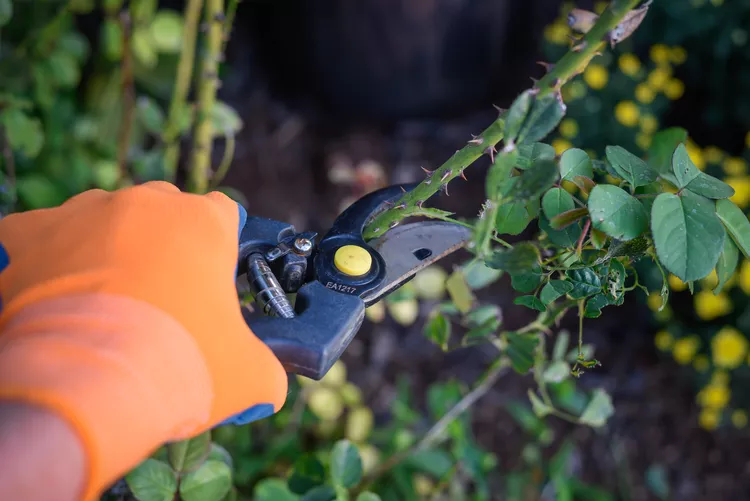
Trumpet vine needs consistent pruning throughout the growing season to keep it looking good and to prevent it from spreading out of control. Prune it early in spring, so it's almost to ground level, leaving just a few buds. Clean up dead leaves and branches regularly to maintain its beauty, then cut it back again in fall when it's no longer blooming and most of the dead flowers have fallen.
After trumpet vine finishes blooming, it grows large seed pods reminiscent of giant green beans that burst open and drop many seeds. Those seeds can spread trumpet vine all over your garden. Remove these pods before they fully ripen to reduce the chance of a trumpet vine takeover.
Potting and Repotting Trumpet Vine
Planting trumpet vine in a container is an excellent way to control its natural tendency to spread. A container of at least 20 gallons is necessary. Place a trellis or other structure behind the planter to give trumpet vine a place to grow. Prune regularly to control its growth.
Pests and Problems
There aren't any pest problems to worry about, and no fungus problems either. The biggest concerns with trumpet vine are its tendency to spread too fast and become invasive, and the fact that it's a highly flammable plant. Keeping it pruned and sited away from any buildings will help prevent either of these things causing problems.
How to Propagate Trumpet Vine
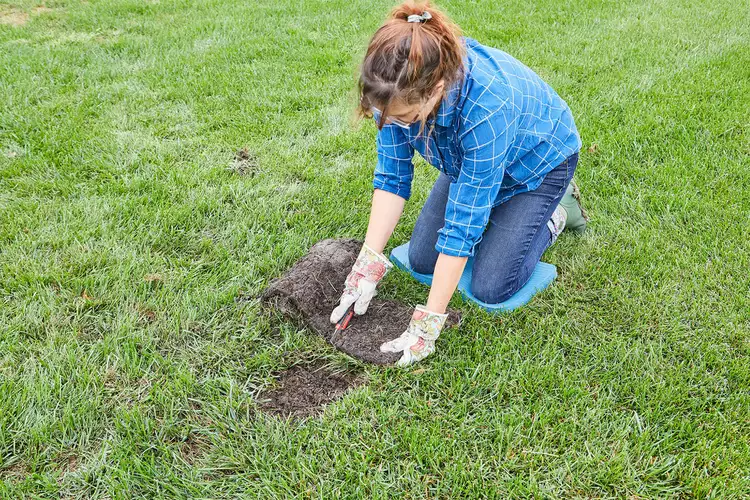
The easiest way to propagate trumpet vine is by digging up one of the suckering runners and planting it where you want it to grow. You can also propagate trumpet vine from its seedlings, which can be taken from the soil where the trumpet vine is growing.
Types of Trumpet Vine
Common Trumpet Vine
Campsis radicans is the wild native form with orange flowers all summer and into fall. Zones 5-9
'Mme. Galen' Trumpet Vine
Campsis 'Mme. Galen' bears large clusters of orange-red blooms on a vigorous plant. Zones 5-9
Summer Snowfall Trumpet Vine
Campsis 'Takarazuka Variegated' offers clusters of orange-red trumpet-shaped blooms and white-splashed foliage. Zones 5-9
Yellow Trumpet Vine
Campsis radicans f. flava bears lots of golden-yellow blooms against dark green foliage. It climbs to 30 feet or more. Zones 5-9
Trumpet Vine Companion Plants
Butterfly Bush
Butterfly bush, which is hardy in zones 5-9, is highly attractive to butterflies, hummingbirds, and pollinators thanks to its colorful blooms—which often emit a sweet honeysuckle-like fragrance. It is considered invasive in Oregon and Washington and is discouraged in some regions because it can reseed rampantly. When planted, it could need a lot of attention. Plant hybridizers are breeding new varieties that lessen this tendency to go wild, so keep an eye out for those when choosing a new butterfly bush for your garden.
Aster
Aster, which is hardy in zones 3-9, blooms in the fall, with bright purple and lavender flowers. Like the trumpet vine, it prefers full sun and moist well-drained soil. It can grow up to 6 feet tall and (depending on the height of the cultivar you choose) is suitable for borders, cottage gardens, rock gardens, and wildflower gardens.
Shasta Daisy
Shasta daisy, which is hardy in zones 5-8, blooms in summer and fall with its signature white flowers. Like the trumpet vine, Shasta daisies prefer full sun and well-draining soil. This low-maintenance bloom also attracts a bevy of birds and pollinators.